
For portable restrooms operators, the busy season is won or lost long before the first special events or construction surge hits the schedule. Peak demand can expose weaknesses in your fleet and SOPs. Equipment that limped through the previous year is suddenly mission-critical, and deferred purchases quickly turn into emergency expenses. That’s why the offseason is the most strategic time to budget and invest.
Thoughtful offseason purchases allow operators to spread costs more evenly, secure better pricing, and make decisions based on long-term value rather than short-term urgency. By focusing on high-return investments, planned replacements and a disciplined capital strategy, companies can enter the special events season prepared for success.
High ROI investments
Not all purchases deliver equal value. The most effective offseason investments are those that directly increase revenue, reduce downtime or lower operating costs during peak demand.
• Portable restroom units are often the highest-return asset: Adding or upgrading units before spring allows you to capture additional rentals without scrambling to source inventory midseason. Newer units also tend to reduce service time through improved tank design, sturdier doors and better ventilation — small efficiencies that add up across hundreds of services per week.
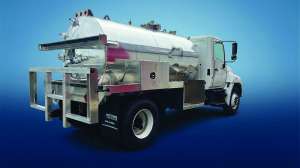
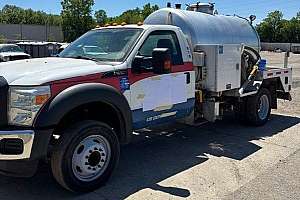
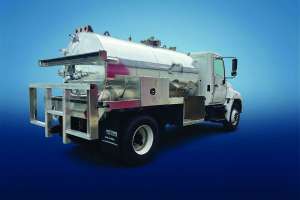
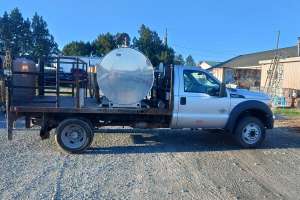
• Trucks are a critical consideration: While purchasing or building out a vacuum truck is a significant expense, the ROI can be substantial if it eliminates bottlenecks. A reliable truck with the right tank size, pump capacity and hose configuration can increase daily route completion, reduce overtime and minimize breakdown-related revenue loss. Winter purchases often come with shorter lead times and better negotiating leverage.
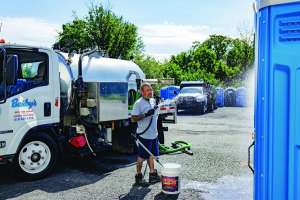
• Tools shouldn’t be overlooked: High-quality hoses, quick-connect fittings, winter-rated pumps and ergonomic accessories may seem incremental, but they directly affect technician efficiency and safety. Replacing worn tools during the offseason prevents midsummer failures that slow routes and frustrate staff.
When evaluating ROI, consider not just the purchase price, but the impact on labor hours, maintenance costs and customer satisfaction during peak demand.
Plan replacement before equipment fails
Reactive replacement is one of the most expensive habits in the industry. Emergency purchases typically come with higher prices, rushed decisions and operational disruption. Smart budgeting allows operators to shift from reaction to planning.
Start by reviewing maintenance records and repair histories. Identify assets that required frequent service, experienced repeated downtime or are approaching the end of their expected life cycle. These are prime candidates for planned replacement, even if they are still technically functional.
Winter inspections are especially valuable. Cold weather often reveals weaknesses in pumps, valves, electrical systems and seals. Addressing these issues early — either through rebuilds or replacements — reduces the risk of catastrophic failure when routes are packed and repair shops are backlogged.
Planned replacement also supports workforce efficiency. Service techs spend less time troubleshooting unreliable equipment and more time completing revenue-generating work. This consistency improves morale and reduces the temptation to cut corners.
By budgeting for replacements months in advance, operators can compare options, evaluate total cost of ownership, and schedule deliveries or installations without impacting peak operations.
Build a comprehensive annual capital plan
Offseason budgeting should not be a collection of isolated purchases. The most resilient operations work from a comprehensive annual capital plan that aligns spending with business goals.
Begin by forecasting demand. Review historical data, upcoming contracts and market trends to estimate unit counts, service frequency and fleet utilization for the coming year. This forecast provides a framework for determining where additional capacity or efficiency gains are needed.
Next, categorize capital needs. Separate “must-have” investments — such as compliance-related upgrades or critical replacements — from “nice-to-have” improvements. This prioritization ensures that essential spending is protected even if budgets tighten.
A capital plan should also account for time. Some purchases, like additional units, may need to be in place before spring. Others, such as yard infrastructure improvements or software upgrades, may be better scheduled for midseason or late fall. Mapping these timelines prevents cash flow strain and operational overlap.
Finally, build in contingency. Even the best plans encounter surprises. Allocating a portion of the budget for unplanned repairs or opportunities adds flexibility without derailing the entire plan.
Prioritize purchases that enhance productivity
When budgets are limited, investments in productivity often deliver the fastest payback. These are purchases that allow your existing workforce and assets to do more, faster and with fewer errors.
Route optimization and fleet management tools are a prime example. Software that reduces drive time, improves scheduling or provides real-time visibility can quickly offset its cost through fuel-savings and increased route capacity. Implementing these tools during the offseason gives staff time to learn the system before peak pressure sets in.
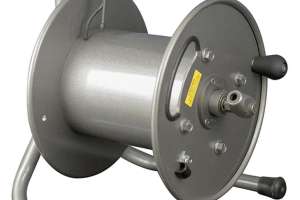
Ergonomic and safety-focused equipment also boosts productivity. Items like lighter hoses, improved hose reels, nonslip steps and better PPE reduce fatigue and injury risk. Healthier technicians are more consistent, require fewer sick days and maintain higher service quality throughout long summer weeks.
Even yard improvements can pay off. Better lighting, clearer staging areas or upgraded wash-out systems reduce wasted time and streamline daily preparation. These changes may not be visible to customers, but they directly impact operational throughput.
The key is to ask a simple question for every purchase: Will this help us serve more customers, with fewer delays, using the resources we already have?
A smoother, more profitable business is the outcome of deliberate offseason budgeting that prioritizes high-ROI investments, planned replacements and productivity gains. By using offseason lulls to evaluate needs and build a disciplined capital plan, portable sanitation operators can avoid emergency expenses, reduce downtime and enter peak demand with confidence.
Continue reading for free