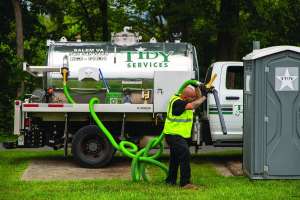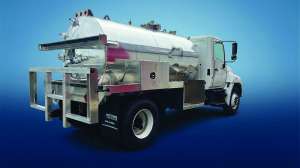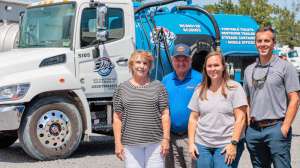

As spring approaches, PROs shift from winter maintenance mode to full operational deployment. Routes expand, deliveries accelerate and service frequency increases across construction sites, events and seasonal facilities. Equipment readiness is only half the equation; without reliable drivers, yard staff and service technicians, even the best fleet can’t generate revenue. A strategic staffing plan focused on hiring, onboarding and retention ensures your workforce is ready to support peak demand safely and efficiently.
Seasonal vs. full-time staffing: Build the right workforce mix
One of the most important decisions operators face is determining the balance between seasonal and full-time staff. Each model has advantages, and most successful operators rely on a hybrid approach.
Full-time employees provide operational stability. They understand routes, equipment and customer expectations, reducing training time and service errors. These employees often serve as route leads, trainers and mentors for newer hires. Retaining experienced full-time staff should always be a priority as their institutional knowledge directly impacts service quality and efficiency.
Seasonal employees, meanwhile, provide flexibility during demand spikes. Construction activity increases, outdoor events multiply and service frequency rises significantly between spring and fall. Hiring seasonal drivers and yard personnel allows companies to scale operations without committing to year-round payroll expenses.
The key is hiring seasonal staff early — ideally four to six weeks before peak deployment. This allows time for proper onboarding, training and supervised route experience before workloads intensify.
Set employees up for success with onboarding and mentorship
Hiring alone is not enough — structured onboarding determines whether new employees succeed or struggle. Portable sanitation is a specialized field, and new hires need clear guidance on procedures, safety and expectations.
An effective onboarding program should include:
- Classroom-style orientation covering safety procedures and company policies
- Equipment walkthroughs explaining truck systems, pumps and service tools
- Hands-on training with experienced drivers
- Route ride-alongs for real-world experience
Assigning mentors to new hires significantly improves retention and performance. Experienced drivers can demonstrate efficient service techniques, customer interaction best practices and safe vehicle operation. Mentorship also builds confidence and helps new employees integrate into the team.
Clear expectations reduce early frustration. Employees should understand productivity targets, service standards and safety requirements from day one.
Retention incentives that engage employees
Hiring is expensive, and turnover disrupts operations. Retention strategies protect your investment in training and improve overall workforce stability.
Competitive wages are essential, but additional incentives can make a significant difference:
- Seasonal completion bonuses
- Safety performance bonuses
- Attendance incentives
- Referral bonuses for bringing in qualified hires
- Opportunities for overtime during peak months
Nonfinancial incentives also matter. Predictable schedules, well-maintained equipment and respectful management contribute significantly to job satisfaction. Drivers assigned to reliable trucks with fewer breakdowns experience less frustration and higher productivity.
Career development opportunities help retain ambitious employees. Offering pathways to senior driver roles, route supervisors or management positions gives workers a reason to stay long-term.
Performance tracking: Identify strengths and address issues early
Tracking employee performance allows managers to support new hires and maintain service quality. Early feedback helps correct mistakes before they become habits.
Key performance indicators to monitor include:
- Route completion times
- Service accuracy and completeness
- Customer feedback
- Safety incidents or violations
- Equipment handling and maintenance compliance
Regular check-ins during the first 30, 60 and 90 days help identify training gaps and reinforce expectations. Positive reinforcement is equally important — recognizing strong performance boosts morale and encourages continued improvement.
Technology can simplify performance tracking. Many route management systems provide data on service completion, route efficiency and driver productivity. These tools help managers make informed staffing decisions and identify future team leaders.
Workforce planning reduces stress
Spring staffing should also include contingency planning. Unexpected absences, equipment breakdowns or sudden demand spikes can strain operations.
Maintaining a small pool of trained backup drivers/service techs or cross-trained yard staff provides flexibility. Cross-training employees to perform multiple roles ensures operations continue smoothly even when staffing challenges arise.
Communication is critical. Clear daily schedules, route assignments and expectations prevent confusion and reduce inefficiencies.
Equipment may be the backbone of portable restroom operations, but people are the driving force behind reliable service. Hiring early, onboarding thoroughly and investing in retention ensures your workforce is ready for peak season demands.
Companies that prioritize mentorship, performance tracking and employee engagement benefit from lower turnover, higher productivity and better customer satisfaction. With a well-prepared team in place, operators can enter the busy season with confidence, knowing they have the personnel needed to deliver safe, efficient and professional service when it matters most.
Continue reading for free