
When peak season hits, inventory mistakes become expensive fast; missing units, depleted toilet paper supplies and a disorganized yard can frustrate a business on the go. Portable sanitation is logistics-heavy, and success depends on knowing exactly what you have, where it is and whether it’s ready to go. You’re not just counting units, you’re staying prepared.
Know where assets live
Portable restrooms, handwash stations, holding tanks and specialty units are constantly moving between yards, construction sites and event locations. Digital tracking systems allow operators to monitor unit location, service history and availability in real time.
At a minimum, each unit should have a unique identification number linked to a database that includes: Current location, last service date, condition status, assigned customer or project, and maintenance or repair needs.
Pairing ID numbers with GPS tracking or route software integration can further enhance visibility, especially for larger fleets. Accurate tracking prevents unnecessary equipment purchases by fully utilizing existing assets. It also reduces time wasted searching for units that are already deployed or staged elsewhere.
Don’t react; prevent shortages
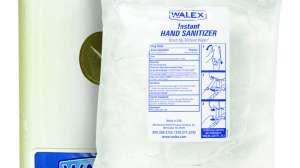
Inventory management extends beyond units to include the supplies required to service them. Deodorizers, toilet paper, hand sanitizer, cleaning chemicals and replacement parts are essential to track, too. Running out of supplies during your peak season can create immediate service disruptions, and emergency supply orders often cost more and may not arrive quickly enough to prevent delays.
You can forecast supply needs based on your number of active units, service frequency, seasonal demand increases and event schedules. Review your supply levels regularly and establish minimum stock thresholds. When inventory drops below these levels, reorder automatically.
Design for efficiency
A disorganized yard slows down every aspect of your operation. Drivers waste time searching for units, technicians struggle to locate repair candidates and deliveries take longer than necessary.
Instead, consider organizing your yard by placing portable restrooms in clearly defined categories: Ready-for-deployment units, units awaiting service or cleaning, units requiring repair, and retired or parts-only units. Makes it easy for drivers and service techs to identify availability at a glance.
Staging units in delivery order can also improve efficiency. If drivers can quickly hook up and leave without rearranging equipment, route start times improve and delays decrease.
Manage temporary demand
Events present unique inventory challenges. Large festivals, concerts and other public events often require dozens or even hundreds of units. Preparation for that level of demand should begin weeks in advance.
Create event-specific inventory plans that identify the number and type of units required, delivery and pickup schedules, service frequency during the event, and spare units available for emergencies. Assign specific units to each event in your tracking system. This prevents double-booking and ensures sufficient inventory remains available for construction customers.
Event staging areas should be organized so units can be loaded efficiently. Treat the area like a mini version of your work yard — stage event equipment to reduce last-minute confusion and loading delays. Documentation is also critical; tracking which units were deployed, serviced and returned ensures accurate billing and prevents asset loss.
Regularly audit inventory
Even with digital tracking systems, periodic physical inventory audits are essential — units can be relocated without updates, damaged or removed from service. Regular walks through the yard and continuous inventory verification help identify discrepancies early. Audits also provide opportunities to assess unit condition and identify refurbishment needs before peak demand.
Encourage drivers and yard staff to report location changes and equipment issues immediately. Maintaining accurate records requires team buy-in.
Integrate inventory management
Inventory tracking works best when integrated with route management and dispatch systems. When dispatchers can see real-time equipment availability, they can remedy problems today, not tomorrow. Integration improves scheduling efficiency; ensures units are serviced, rotated and maintained; and supports smarter decision-making about when to purchase new units, retire aging equipment, or adjust deployment strategies.
Organized inventory management is a powerful way to improve operational efficiency and customer satisfaction. Digital tracking ensures equipment visibility, supply forecasting prevents shortages, yard organization improves efficiency, and event planning ensures readiness for temporary demand spikes.
Portable sanitation operators who take control of their inventory enter peak season prepared to respond quickly, avoid delays, and maximize their equipment. In portable sanitation, inventory readiness isn’t just a logistical advantage; it’s a competitive edge that supports reliable service and long-term growth.
Continue reading for free