Portable sanitation has long been a critical component of military operations. The need for effective waste management in remote and temporary military camps led to innovations that eventually shaped the portable restroom industry we know today.
World War II: Addressing Sanitation Challenges
During World War II, sanitation was a major concern for large deployments. Traditional trench latrines were often used, but they posed serious health risks. Disease outbreaks, including dysentery and cholera, were a constant threat. To combat this, military engineers developed more effective latrine systems, including basic portable units for temporary sanitation.
The Rise of Chemical Toilets
By the time of the Korean and Vietnam Wars, chemical toilets became more common. These units used chemicals to break down waste and control odors, providing a safer and more sanitary alternative to traditional latrines. Their portability made them ideal for forward operating bases and remote camps.
Post-War Civilian Adaptation
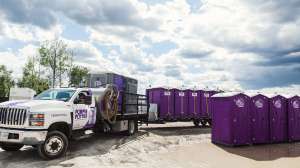
After military success, portable sanitation technology made its way into civilian use. Construction sites, outdoor events, and disaster relief efforts all benefitted from the convenience of portable restrooms. Companies adapted and improved upon the original military designs, introducing more durable materials and improved waste management systems.
Modern Military Use
Even today, portable sanitation remains an essential part of military logistics. Modern field latrines and advanced waste management systems are deployed to maintain hygiene in temporary bases and disaster response scenarios. The lessons learned from military applications continue to influence the development of more efficient and sanitary portable restrooms.