
Spring marks the transition from winter slowdown to peak deployment, making it the ideal time for portable restroom operators to evaluate, restore and prepare their fleets. A structured spring cleaning and refurbishment strategy not only improves the appearance of your units but also extends asset life, reduces midseason downtime and enhances customer satisfaction. With demand about to surge, investing time in deep cleaning, repairs and inventory organization ensures your equipment is safe, compliant and ready to generate revenue.
Cleaning protocols: Reset units to like-new condition
After months of winter storage or reduced usage, portable restrooms often accumulate residue, scale buildup and odor-causing bacteria. A thorough deep cleaning goes beyond standard service routines and restores units to a professional baseline.
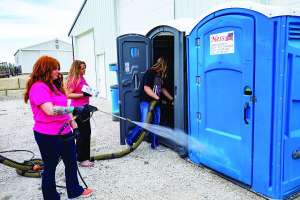
Start with a complete pumpout and rinse, followed by a pressurized wash of all interior surfaces, including walls, floors, urinals and waste tanks. Pay particular attention to corners, vent stacks and underside surfaces where buildup can persist. Use commercial-grade cleaning agents designed for portable sanitation that break down organic matter while neutralizing odors.
Exterior cleaning is equally important. Power washing removes dirt, road salt and grime that degrade plastic over time. Removing salt residue is especially critical in northern climates, where winter exposure accelerates material fatigue and corrosion on hardware components.
Operators should also sanitize high-touch areas such as door handles, latches and seat surfaces. Following or exceeding guidance from organizations like the Portable Sanitation Association International helps ensure cleaning procedures align with industry best practices and customer expectations.
Repair vs. Replacement: Making cost-effective decisions
Spring is the time to evaluate whether units should be repaired, refurbished or retired. Every operator must balance repair costs against the remaining useful life and revenue potential of each unit.
Common repair items include:
- Door hinges and latches
- Vent pipes and caps
- Seat assemblies
- Floor damage or structural cracks
- Roof discoloration or UV degradation
Minor repairs are almost always cost-effective. Replacing inexpensive components can extend unit life by several seasons. However, structural damage, persistent odor retention in older plastics or widespread cracking may justify replacement.
A useful rule of thumb: If repair costs exceed 30-40% of the replacement value and the unit is already nearing the end of its expected service life, replacement is often the smarter investment.
Safety should also guide decision-making. Units must meet operational safety expectations consistent with guidance from the Occupational Safety and Health Administration, ensuring doors function properly, ventilation is intact and no structural hazards exist.
Painting and branding: Refresh your fleet’s appeal
Spring refurbishment presents an opportunity to improve the visual impact of your fleet. Customers notice appearance, and clean, well-branded units signal professionalism and reliability.
Consider these upgrades:
- Applying plastic-safe restoration products to improve color and UV resistance
- Replacing faded or damaged decals
- Updating company logos or contact information
- Ensuring consistent branding across your fleet
Fresh branding turns every deployed unit into a marketing asset. High-visibility logos and clean surfaces reinforce your company’s image at construction sites, events and public venues.
Avoid using coatings or paints that are incompatible with polyethylene materials or that could introduce environmental concerns. Always follow product guidance aligned with EPA standards when selecting cleaning or restoration chemicals.
Organizing inventory: Know what you have and what you need
Spring cleaning should also extend to your yard and inventory systems. Disorganized storage leads to wasted time, unnecessary purchases and deployment delays during peak season.
Start by conducting a full inventory audit:
- Count all standard units, ADA-compliant units and specialty equipment
- Identify units ready for deployment versus those needing repair
- Separate units slated for retirement or parts harvesting
- Verify availability of essential replacement components
Digital fleet management tools or simple spreadsheets can help track unit condition, maintenance history and readiness status. Labeling units with service dates or inspection tags improves accountability and ensures consistent maintenance cycles.
Organizing parts inventory — such as seals, hinges, vents and seat assemblies — allows technicians to perform repairs quickly, reducing downtime during busy months.
Build a refurbishment schedule
Spring cleaning should not be a one-time effort. Establishing a systematic refurbishment schedule ensures consistent fleet quality year after year.
Prioritize:
- High-revenue units deployed at premium events
- ADA units, which must meet stricter compliance standards
- Older units nearing replacement decisions
- Units with cosmetic issues affecting brand perception
Staggering refurbishment efforts over several weeks prevents overwhelming staff while ensuring the entire fleet is ready before peak demand.
Operators who take a proactive approach enter the busy season with confidence, knowing their units are safe, reliable and visually appealing. In a competitive market, well-maintained equipment doesn’t just perform better — it strengthens customer trust and drives long-term profitability.
Continue reading for free