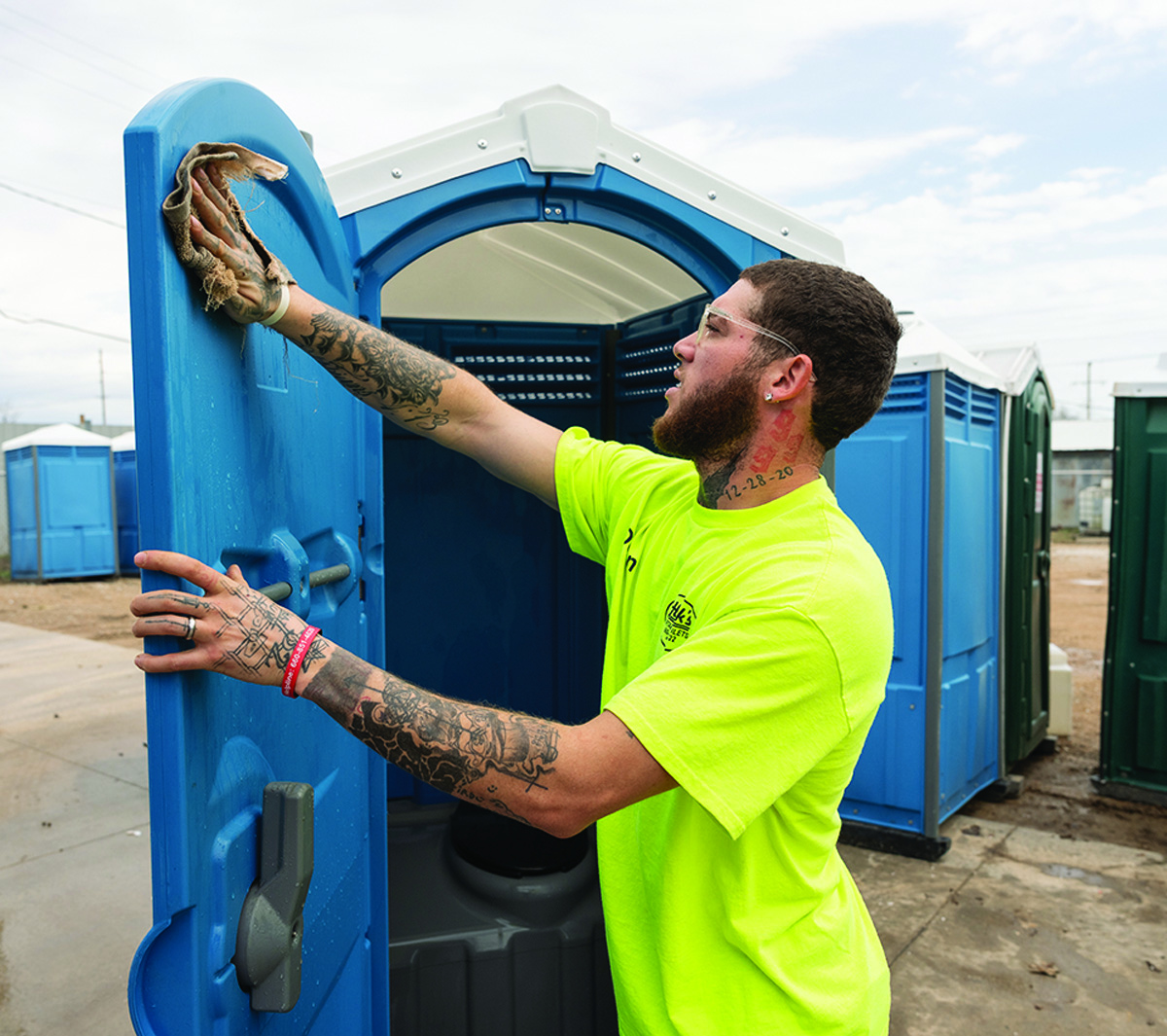
With tightening labor markets and fluctuating fuel costs, reducing service time per service stop without compromising cleanliness or safety has become a top priority for portable restroom operators. You can’t rush your service techs into a more efficient workflow, but you can eliminate the daily sources of friction that slow them down.
By optimizing how your team moves, logs data and handles equipment, you can increase route density and improve profitability. Here are 10 steps to streamline your service stops.
- Implement dynamic route optimization
Route planning can be the most effective lever for reducing travel time. Manual dispatching often leaves "dead miles" between stops. Utilizing industry-specific platforms allows dispatchers to adjust routes in real-time based on traffic, density and service priority. - Prioritize digital work orders
Paper logs create administrative bottlenecks. Switching to mobile-based digital work orders eliminates the time drivers spend transcribing service notes at the end of the shift. This provides immediate data visibility for both managers and clients, proving that service was completed to standard. - Invest in high-capacity equipment
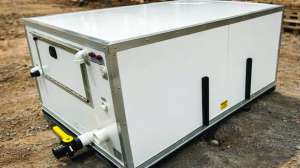
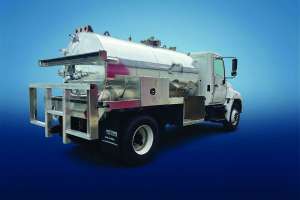
The physical design of your assets dictates service speed. Units that are easier to clean and have larger holding tanks require less frequent pumping. Strategic selection of durable, purpose-built equipment reduces the time spent on specialized repairs or frequent waste removal. - Standardize service kits
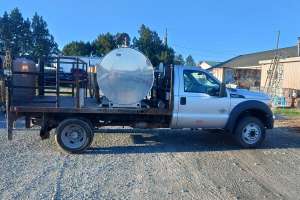
Ensure every truck carries the same inventory of cleaning supplies, tools and consumables. When drivers know exactly where every supply is located, they eliminate "search time" during service. A standardized truck layout should be part of your driver training SOP. - Utilize real-time monitoring
The most efficient service is only performed when necessary. Fill-level monitoring sensors provide data-driven insights into usage patterns, preventing unnecessary stops for units that are still at low capacity while alerting you immediately to overflow risks. - Optimize equipment placement
Often, time is lost navigating the “last 50 feet.” Partner with your clients to ensure units are placed on stable, well-drained ground with clear access for your service trucks. A few extra minutes during the initial placement save hours of driver time over the life of the project. - Predictive maintenance
Breakdowns in the field are the ultimate time killer. A truck out of service for repairs is a revenue drain. Implement a proactive vehicle and pump maintenance schedule to catch small issues, like worn hoses or pump seals, before they cause a full system failure during a route. - Leverage your “champions”
Technical skill is not enough. Train your drivers on the specific service workflows that minimize unnecessary movement. Identify internal “champions,” or drivers who naturally find faster, more efficient ways to execute service, and have them lead peer-to-peer training sessions. - Automate customer communication
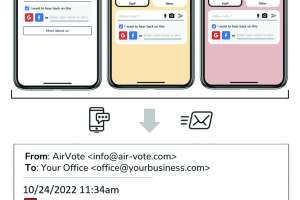
Reduce the time spent handling inbound calls about service status. Use automated notifications to alert customers when a service is completed, including time-stamped digital logs. Transparency reduces the number of “Where is my service?” inquiries your office staff needs to answer. - Focus on “micro-improvements”
Operational efficiency is rarely the result of a single overhaul; it is the cumulative effect of small, consistent improvements. Audit one route a week, looking for small time wasters. Are drivers spending too long at the handwash station? Is the pump connection cumbersome? Address these micro-issues to refine your standard operating procedures.
Continue reading for free