
As portable restroom operators, fall is a critical operational pivot point. To maintain revenue momentum after the summer peak, operators have to move away from passive seasonal management and adopt a structured transition strategy. Use these three core goals to maximize utilization and profitability during the transition to winter.
Goal 1: Target High-Margin Fall Segments
Avoid a passive approach to the seasonal slowdown. Actively shift marketing and sales efforts toward market segments that require reliable, long-term service.
- Agritourism: Target pumpkin patches and apple orchards for consistent, long-term placements rather than high-intensity, short-duration events.
- School/collegiate sports: Secure recurring weekly contracts for football season. These events provide predictable revenue and ideal route density.
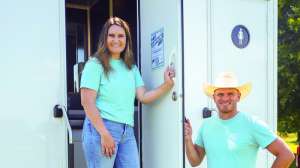
- Private events/weddings: Capitalize on fall foliage tourism. Allocate your highest-margin inventory (restroom trailers and upgraded hand-wash stations) to this segment as these clients prioritize premium service over low costs.
- Aggregation: Bundle multiple small-scale community events (parades, seasonal markets) to create efficient route clusters.
Goal 2: Standardize Fleet Transition
Do not move units directly from summer events to storage. Implement a mandatory fleet transition process to ensure equipment longevity.
- Fleet assessment: Conduct a full audit of the fleet. Tag units with the most summer wear for immediate maintenance or refurbishment. Do not postpone repairs until spring.
- Climate-adaptive configuration: Adjust equipment for colder temperatures. Ensure restroom trailer heating systems are functional and waterlines are insulated.
- Restaging: Move inventory from large summer event hubs to emerging fall demand centers (e.g., sports complexes, rural event venues) to reduce transportation time.
- Chemical/Consumable Audit: Adjust chemical formulations for cooler temperatures to ensure effective odor control.
Goal 3: Optimize Pricing and Service Sustainability
Maintain margins by resisting broad discounts and optimizing service delivery.
- Value-based pricing: Avoid blanket seasonal discounting. Charge based on service complexity, distance, and asset type. Ensure premium units command premium rates.
- Multiweek contracts: Structure fall sports and seasonal attraction agreements as multiweek or multimonth contracts to ensure stable, predictable cash flow.
- Aggressive route consolidation: As total event volume shifts, rerun route optimization software. Consolidate stops to minimize deadhead mileage and protect margins on smaller-scale events.
- Proactive upselling: During the booking process, bundle additional service packages (e.g., enhanced cleaning, additional hand-wash stations) to increase revenue per job without significantly increasing overhead.
Fall should be treated as a strategic business pivot. By aligning equipment decisions with recurring, high-margin contracts and optimizing logistics for lower-volume routes, you can sustain revenue well into the final quarter.
Continue reading for free