Food safety starts with portable sanitation. PROs like yourself play an integral part in protecting the food supply chain and preventing the spread of foodborne illnesses. Portable restrooms and handwash units on agricultural sites are no small part of the portable sanitation industry and play an outsized role in public health.
September is National Food Safety Month; in honor of that, we at PRO Magazine have gathered commonsense tips to ensure your service remains impeccable on agricultural sites. Take a moment, review the basics of providing portable sanitation down on the farm, and then consider a tailgate talk or review with your crew. Public health depends upon you and your crew strictly maintaining those standards.
1. Understand the regulations
Agricultural sanitation is governed by more than just Occupational Safety and Health Administration mandates, which we all deal with. In this instance, OSHA mandates minimum requirements for field sanitation, including the number of units per worker and proximity to work areas. Meanwhile, the Food and Drug Administration sets stricter and more specific portable sanitation standards. The FDA’s Food Safety Modernization Act outlines agricultural workplace standards for worker hygiene, handwashing access and toilet placement (see the FDA’s FSMA Produce Safety Rule for specifics). PROs and their service techs should know these rules and be prepared to advise clients on compliance.
2. Strategize unit placement
Portable restroom placement directly impacts both usability and compliance. Units must be located within a reasonable walking distance of workers — typically no more than one-quarter mile. Meanwhile, restrooms must also avoid direct proximity to crops, irrigation sources or harvest zones.
When placing units, service techs who pay proactive attention to site conditions prevent tipover risks and runoff issues. Techs should also check that sites are easily accessible to service trucks when placing a new unit. The goal is to service units without disrupting farm operations.
3. More is more with hand-washing
Excellent handwashing hygiene is mandatory on agricultural sites — it plays a direct role in preventing contamination. Because of this, agricultural sites require more than basic portable toilets. They need dedicated handwash stations with potable water, soap and single-use towels. For high-density crews, advocate for multiple stations or high-capacity units to prevent bottlenecks. Emphasize to clients that hand-washing is not optional; it’s a core food safety control point, and they know it even when they want to ignore it.
4. Maintain strict service schedules and scale service seasonally
Due to its sensitivity and high-use nature, an agricultural site requires more frequent service. Portable restroom and handwash units should be serviced often enough to prevent overflow, odor and unsanitary conditions. When sites employ multiple or large work crews, this often means multiple services per week. Consistent, frequent service ensures that supplies such as soap, water and paper products are always available. Documenting service visits with logs or digital tracking adds an extra layer of accountability (see No. 9).
Agricultural labor requirements fluctuate throughout the year, and especially balloon during planting and harvest seasons. Portable sanitation services have to scale accordingly. Communicate with farm managers about changes in crew size and adjust the number of units and service frequency to match the groundswell. Underestimating needs can lead to noncompliance, dissatisfied clients and reduced efficiency.
5. Use food-safe products
Not all chemicals you use to clean or deodorize portable restrooms are safe for use near food-production areas. Look for cleaning agents and deodorizers that are effective and food-safe. Avoid products that could introduce harmful residues or strong odors that may impact nearby crops. When in doubt, consult product documentation and confirm suitability for agricultural environments.
6. Emphasize contamination-prevention measures
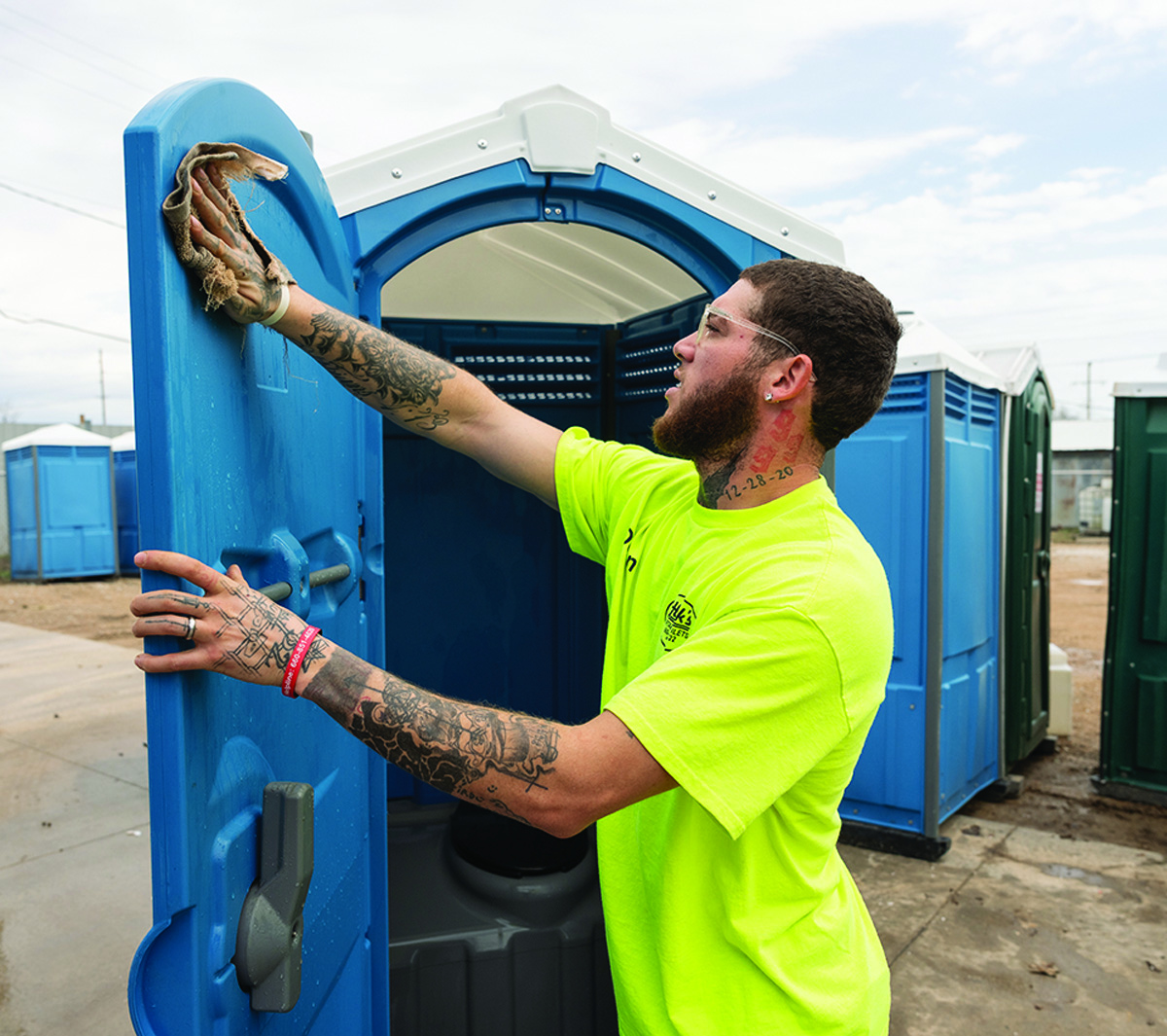
Spills or leaks on an agricultural site can have serious consequences. Ensure portable restroom and handwash units are well-maintained with no cracks, leaks or structural issues. Use secondary containment where appropriate, and train service techs on spill-response protocols. Quick, effective containment minimizes risk to soil, water sources and crops.
7. Train staff on best practices for agriculture
Servicing an agricultural site is not the same as servicing a construction site, and it’s most definitely different from a special event. Drivers and techs need to understand the importance of avoiding crop damage, respect biosecurity measures, and follow site-specific protocols. This may include cleaning shoes or high-contact equipment before entering certain areas, adhering to designated travel paths, and coordinating with farm managers to avoid peak activity times.
8. Communicate clearly and regularly
Keep expectations in alignment and reduce the risk of service disruptions by communicating often and early. When speaking with a farm manager, confirm placement plans, service schedules and access points in advance. Provide a point of contact for problems and remain proactive in resolving issues. Regular communication between your team and farm manager during the growing and harvest seasons maintains service quality.
9. Document
Recordkeeping is a critical piece of agricultural safety. Ask drivers and service techs to record detailed logs of service dates, supply restocking and maintenance activities in addition to mandated documentation (MSDS sheets, etc.). Growers may request this documentation during audits or inspections. Reinforce your company’s professionalism by providing clear, organized records.
Continue reading for free