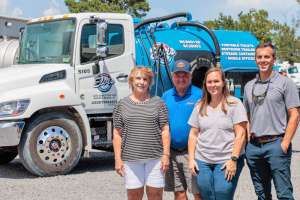

When the average citizen ponders public health, images of medical professionals, water treatment plants and municipal infrastructure typically come to mind. Yet, so much human activity occurs outside the reach of centralized sewer systems, or even onsite septic systems. From major infrastructure developments and agricultural operations to remote outdoor gatherings and disaster recovery zones, modern life relies on a parallel network to maintain hygiene and environmental safety: the portable sanitation industry.
Far from being a simple matter of transport, portable sanitation represents a critical defense for public health. PROs serve as silent partners in community safety, delivering essential sanitation services where permanent infrastructure ends.
Behind every PRO is a complex mix of regulatory compliance and environmental stewardship. Operating in the sanitation sector requires technical knowledge and a commitment to federal, state and local environmental codes. Professionals navigate permitting processes, manage waste transport under stringent biological hazard guidelines and ensure safe, compliant discharge at authorized treatment facilities.
Managing portable sanitation waste is fundamentally about protecting the environment. An improperly maintained or poorly serviced portable unit risks contaminating groundwater supplies, disrupting local ecosystems and exposing communities to waterborne pathogens. By preventing soil and water contamination, PROs protect their watersheds every day.
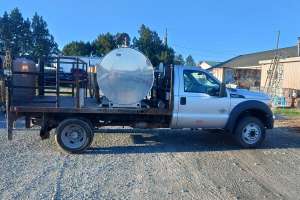
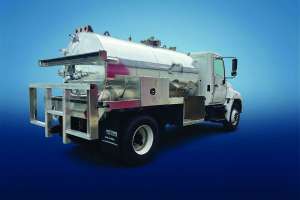
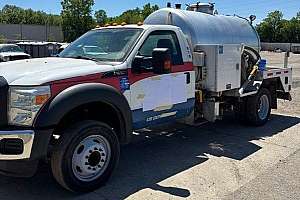
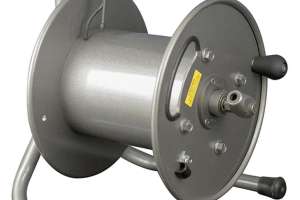
The operational demands of portable sanitation require sophisticated logistics, specialized equipment and a keen eye for management. PROs orchestrate dynamic fleet movements, balance route optimization with strict maintenance schedules and real-time response capabilities. Managing those high-capacity vacuum trucks, specialized pumping systems and chemical treatment ratios demands technical expertise and precision.
Beyond that, field technicians evaluate site conditions, calculate load requirements and engineer placement strategies in real time that maintain hygiene. Whether supporting thousands of people at a remote site or maintaining critical access at a construction site, the work demands agility and problem-solving skills.
By ensuring access to clean, safe and reliable sanitation in nontraditional environments, PROs allow economic activity, construction and public life to continue uninterrupted. Recognizing the technical knowledge, regulatory mastery and operational precision required in portable sanitation moves the conversation past outdated stereotypes.
Continue reading for free