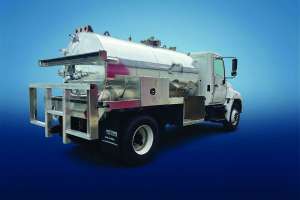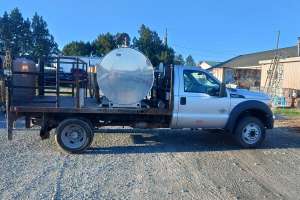

As a portable restroom operator, your fleet of vehicles is the lifeblood of your operations. These vehicles ensure that your team can respond quickly to customer calls, transport tools and materials efficiently, and maintain a professional presence in the community.
Given their critical role, it’s essential to keep your fleet in top condition. Here we will outline key strategies for maintaining your fleet, extending its lifespan and optimizing performance.
Regular maintenance
Regular maintenance is the cornerstone of fleet care. Establish a maintenance schedule that includes routine inspections, oil changes, tire rotations and brake checks. Adhering to a preventive maintenance program helps identify potential issues before they become major problems, reducing the risk of unexpected breakdowns.
Oil Changes and Fluid Checks: Frequent oil changes are vital for engine health. Check the manufacturer’s recommendations for oil change intervals and stick to them. Additionally, monitor other fluids such as transmission fluid, coolant, brake fluid and power steering fluid. Keeping these at optimal levels prevents engine wear and improves overall vehicle performance.
Tire Care: Tires are crucial for safety and fuel efficiency. Regularly check tire pressure and tread depth. Properly inflated tires reduce fuel consumption and extend tire life. Rotate tires every 5,000 to 8,000 miles to ensure even wear and replace them when the tread is worn down to 2/32 of an inch.
Brake System Maintenance: Brakes are one of the most critical safety components of your vehicles. Regularly inspect brake pads, rotors and brake lines. Replace brake pads before they wear down completely to avoid damage to the rotors. Any signs of unusual noises, vibrations or longer stopping distances should prompt an immediate inspection.
Documentation
Maintain detailed records of all maintenance activities, repairs and inspections. This documentation helps track the health of each vehicle and provides a history that can be invaluable when diagnosing problems.
Digital fleet management software can simplify record-keeping and ensure that no maintenance tasks are overlooked.
Driver training
Your drivers play a significant role in vehicle care. Implement a comprehensive driver training program that emphasizes responsible driving habits. Teach drivers about:
Smooth Driving: Aggressive driving, including rapid acceleration and hard braking, can accelerate wear and tear.
Pre-Trip Inspections: Encourage drivers to perform pre-trip inspections, checking tire pressure, fluid levels and lights.
Reporting Issues: Train drivers to report any unusual noises, vibrations or dashboard warning lights immediately.
Fuel management
Fuel is a major operating expense for any fleet. Implementing fuel management practices can lead to significant cost savings and efficiency improvements.
Monitor Fuel Consumption: Track fuel consumption for each vehicle. Sudden increases in fuel usage can indicate underlying issues such as engine problems or inefficient driving practices. Fleet management software can help monitor fuel usage and identify trends.
Optimize Routes: Plan routes to minimize fuel consumption and reduce wear on vehicles. Use GPS and route optimization software to find the most efficient routes, avoiding heavy traffic and road conditions that may damage vehicles.
Fuel Quality: Ensure that your vehicles are refueled with high-quality fuel. Contaminated or poor-quality fuel can harm engine components and reduce efficiency. Where possible, use reputable fuel stations known for their quality and consistency.
Vehicle cleanliness
Maintaining the cleanliness and appearance of your fleet is not just about aesthetics; it also impacts vehicle longevity and your company’s image.
Regular Cleaning: Schedule regular cleaning for both the interior and exterior of your vehicles. Remove dirt, grime and corrosive substances like road salt that can damage paint and undercarriage components. Clean interiors create a more pleasant environment for drivers and passengers, reducing wear on seats and controls.
Professional Detailing: Consider periodic professional detailing. Detailing not only enhances the vehicle’s appearance, but also includes protective measures like waxing and interior conditioning that preserve the vehicle’s finish and materials.
Upgrades and replacements
Even with the best care, vehicles will eventually need to be upgraded or replaced. Monitor the performance and repair history of each vehicle to determine the optimal time for replacement.
Upgrading to newer models can provide benefits such as improved fuel efficiency, lower emissions and enhanced safety features.
Insurance and compliance
Ensure that all vehicles are properly insured and comply with local regulations. Regularly review insurance policies to ensure adequate coverage for all vehicles and drivers. Stay updated on regulatory changes that might affect your fleet such as emissions standards and safety requirements.
Never-ending care
By implementing these strategies, you can extend the life span of your vehicles, reduce operational costs and ensure that your business runs smoothly and efficiently. Investing in fleet care not only protects your assets, but also enhances your company’s reputation and service reliability, leading to greater customer satisfaction and business success.
Continue reading for free