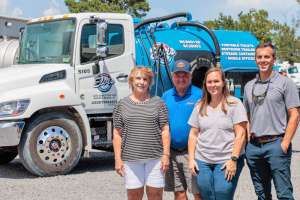

When Grant Stahla — then a University of Nebraska agribusiness student — purchased his first restroom trailer in 2014, few could have predicted what would grow from that humble beginning. With just one three-stall unit, Stahla set foot into the Nebraska's sanitation industry. He recently shared five key points with PRO Cast that helped him launch the now-successful Stahla Services:
1. Early and strategic investment
Influenced by a family background steeped in real estate flips and independent entrepreneurship, Stahla’s “aha!” moment came from a winter break conversation: “Have you ever heard of a restroom trailer?” That question launched him into an entrepreneurial journey fueled by a $30,000 family-backed microloan through a state-wide enterprise fund.
By his senior year, he'd run the business alongside school, reinvesting every penny into growth, selling his initial trailer to upgrade and expanding his fleet from one to two, then four and beyond.
2. Scaling through strategy and financial discipline
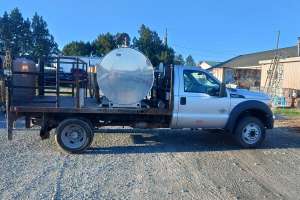
Growth was asset‑heavy and capital‑intensive — vacuum trucks, trailers and flush units demanded significant loans. “Showing profit on a ‘profits and losses’ statement didn’t mean cash in our pockets; loan servicing kept us cash-flow negative,” Stahla says.
It took several years before founders could draw modest salaries, relying heavily on minimal living costs and house-sharing arrangements.
Growth followed geography and market opportunity: Lincoln and Omaha provided a population of more than 1 million people, specialized outdoor events drove summer demands, and regular seasonal customers began emerging after four to five years.
3. Lean operations and vertical integration
The business model shifted with the arrival of Erin, Grant Stahla’s wife. A former Chick‑fil‑A location marketing lead, Erin introduced HR rigor and operational frameworks reminiscent of the fast‑casual giant: culture-first hiring; 30‑, 60‑ and 90‑day reviews; and structured documentation for every location.
They transitioned to a lean bench, downsizing from 23 to 12 employees, while maintaining performance. The focus turned from horizontal expansion to vertical integration, adding revenue streams beyond core trailer rentals while preserving Stahla Sanitation’s local ownership ethos.
4. Marketing: Paid and performance-driven
Recognizing the brand’s low awareness in new markets, the Stahlas have invested heavily in Google Ads over the last decade. To manage acquisition costs and lead quality, they rechannel unqualified or geographically mismatched leads into their custom online marketplace, enabling resale and cost recovery.
5. Culture, priorities and long-term vision
Faith and family anchor the Stahla enterprise, and as Grant says, “Everything else follows.” Meanwhile, the decision to “build to sell” ensures resilient systems and transferable structures. Today, with three operational hubs, the company is effectively cash-flow positive and primed for growth.
The long game? Maintain profitability in new cities by scaling trailers only after demand proves sustainable rather than relying on speculative expansion. That disciplined approach mirrors their operational mindset: “predict zero growth, demand profitability, and scale with certainty.”
Business takeaways for PROs
- Reinvest early — Reinvest profits, live lean and focus on cash flow before glory
- Build systems before scaling — Operational rigor and cultural alignment are cornerstones of quality
- Monetize learning — Leverage assets and expertise into lead markets, logistics services, and consulting
- Adopt calculated expansion — Use demand metrics to guide growth
- Place people first — Employees trained and supported drive superior service and brand reputation
Grant and Erin Stahla’s journey defines portable sanitation as a scalable, diversified business — one grounded in pragmatism, culture and strategic expansion. As mobile restroom solutions continue to gain mainstream acceptance, their model offers a valuable blueprint for emerging operators: plan, pivot and profit on your terms.
For more information, listen to the full PRO Cast episode at PROMonthly.com.
Continue reading for free