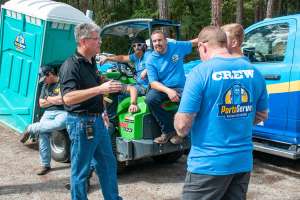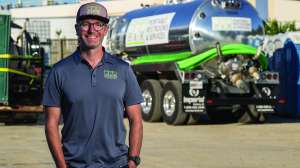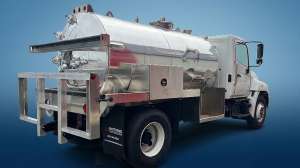
In the eyes of consumers, porta potties may lack glamour, but they represent a robust and lucrative corner of the sanitation industry, offering solid margins, operational challenges and growth potential. The crews over at Honey Bucket demonstrate this daily as the business continues to expand with locations across seven states. Company vice president, Ron Inman, recently sat down with PRO Cast to share his portable sanitation takeaways. Read more below or listen to the podcast episode by clicking the link.
1. Portable sanitation is a complex, essential service
Ron Inman, vice president at Honey Bucket, highlights the logistical complexity behind delivering clean portable toilets to events ranging from construction sites to mountaintop ski venues. “There’s trucks, people, supplies, parts, computer schedules, traffic … everything has to be done well and done right.”
What feels like a “simple enough” service to end users is a complex operation behind the scenes.
2. Industry margins are high, and revenue is scalable
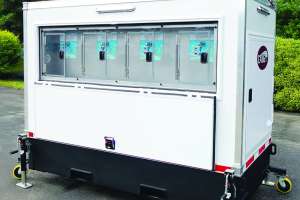
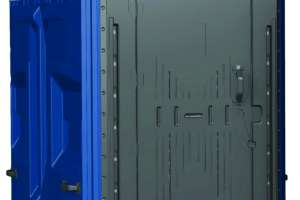
With initial unit costs of $500–1,000 and weekly rental rates of $95 to $225, portable restrooms yield strong margins, around 20% or more for nearly half of operators. While luxury restroom trailers exist and their use is increasing, the bulk of rentals remain standard single-stall units.
3. Understand the economics of restroom need
Portable toilet need is formula-driven: e.g., one unit per 50 guests per hour. But exceptions exist, for example, alcohol-heavy festivals require far more units. Underestimating demand can lead to overflows and last-minute scramble, demanding agility to deploy additional units quickly — a sign of a strong operational backbone.
4. Precision service and brand differentiation are key
From odor control strategies — rotating scents like cinnamon or pina colada to avoid “fragrance fatigue” — to high-frequency cleaning schedules, operators must nail both execution and experience. Unique branding helps providers stand out, though reliability and service responsiveness often seal the deal.
5. Portable sanitation is still ripe for innovation
Major events — such as the Olympics — challenge industry norms, requiring solutions like remote pumping systems spanning 200 meters and equipment capable of accessing inaccessible terrain. Operators who innovate gain a competitive advantage and unlock premium contracts.
6. Industry pride and perception are bedrock
Despite decades of stigma, operators like Inman embrace pride in their work: “I lead with it — I’m out loud and proud.”
Continue reading for free