
Program helps streamline business processes
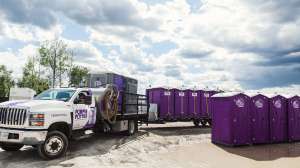
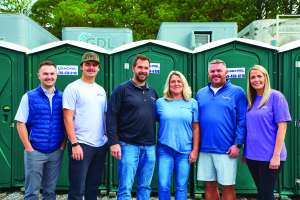
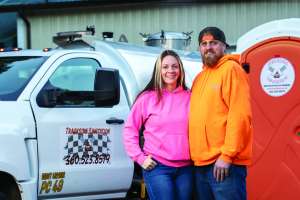
Problem: A Royal Flush is a family-owned portable restroom company based in Bridgeport, Connecticut. The company provides everything from basic portable restrooms to high-end restroom trailers, supporting events of all sizes — from backyard gatherings to major events like the PGA Tour and the Times Square ball drop. The company used multiple platforms to manage operations. Scheduling, dispatching, billing and data were split across different systems. This setup slowed response times, complicated billing and made it harder to manage data. As the business expanded, the lack of a one-stop system made it difficult to scale operations and add new services efficiently.
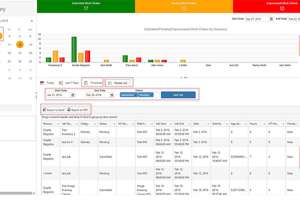
Solution: A Royal Flush implemented ServiceCore to bring key parts of the business into one platform. ServiceCore combined point of sale, dispatch, route optimization and billing in a single system. The platform provided real-time updates and made it easier for dispatchers to manage service schedules and adjust routes as needed. By using one system instead of several, the team simplified daily operations and improved how work was managed across the business.
Result: After implementing ServiceCore, A Royal Flush saw a major improvement in efficiency. Invoicing time dropped from several hours to just a few minutes. Dispatching became easier with real-time visibility, and missed services were significantly reduced. These improvements helped boost customer satisfaction and trust, reduce follow-up work, and support continued growth as the company expanded into new markets. 844-336-0611; www.servicecore.com
Streamlining roll-off communication at data center
Problem: Waste Solutions of Iowa provides liquid and solid waste management services throughout the Des Moines metro. When Meta (Facebook) awarded WSI a new contract to place stationary roll-off containers at its massive data center in Altoona, Iowa, WSI anticipated a communication challenge. The containers remain at fixed locations and are serviced on an as-needed, “will-call” basis. WSI knew that relying on traditional field-to-office texting for container checks, service requests and manifest confirmations could lead to missing details, extra verification steps and manual data entry. To avoid these inefficiencies and ensure clean records from day one, WSI sought a streamlined digital workflow.
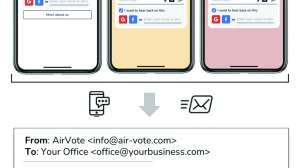
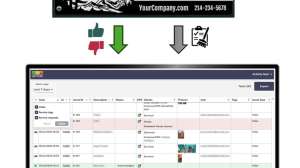
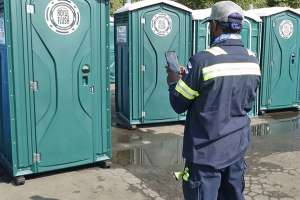
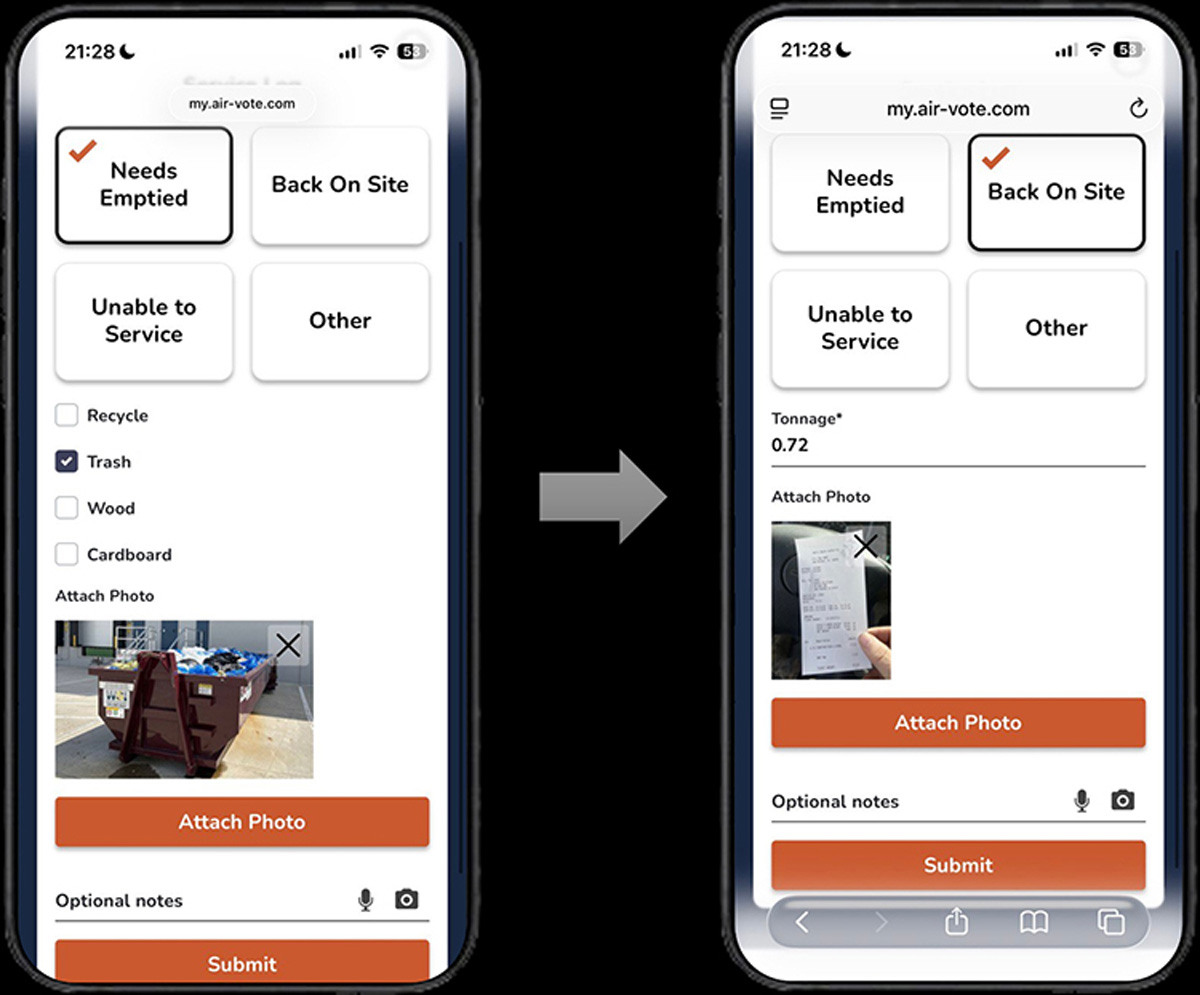
Solution: WSI implemented AirVote’s QR-based workflow at the start of the contract. QR labels were applied to each stationary container so drivers could log both the need for service and job completion directly from the field. When an exchange was required, drivers scan the code to capture container ID, waste type and time stamp, sending structured data to their operations manager who creates an accurate will-call job. After dumping, drivers scan again to confirm return, attach manifest photos and enter tonnage. WSI also leveraged AirVote’s tagging feature to grant the Meta team access to view service status and the full service log for each container. This provides on-site transparency without adding manual reporting work for WSI.
Result: By adopting AirVote up front, WSI eliminated the anticipated communication burden, improved auditability and enabled real-time visibility for both WSI and Meta. The process now runs more efficiently and with built-in transparency. 425-314-3334; www.air-vote.com
Continue reading for free