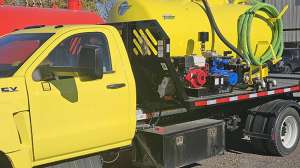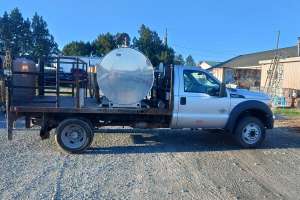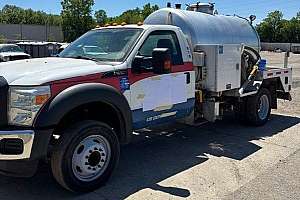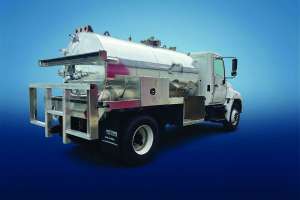

On vacuum trucks the liquid ring pumps are doing a lot of different jobs, such as emptying individual households’ septic tanks, keeping underground infrastructure clean in cities and handling wet waste from all kinds of industries. Sewer and industrial cleaning can include handling hazardous materials, waste removal from industrial facilities, and even managing materials in mining operations. The pumps are used for cleaning sewer lines, catch basins, and storm drains.
Liquid ring pumps are useful for managing liquids and semi-solid wastes. Essential for cleaning out different liquid waste systems and environmental cleanup efforts, liquid ring vacuum pumps are installed as a crucial component on vacuum trucks.
Here are seven steps to set up your truck for a liquid ring pump:
Step 1 – Know your pump
- Make sure your vacuum system is matched to your truck’s workload
- Adjust settings until it performs just right
Step 2 - Place the pump low
- Mount the pump as low as possible on the truck. This helps water flow into it naturally and gives you more layout options.
Step 3 - Check your truck’s power
- Your truck needs enough horsepower and torque to run the pump
- Choose between: Belt drive (simple, cheaper) or hydraulic drive (stronger, better for heavy use)
Step 4 - Set the right rotation
- Make sure the pump spins the correct direction (clockwise or counterclockwise)
- The wrong direction = damage and poor suction
Step 5 - Separate water and air
- After suction, air and water must be separated; his lets you reuse the water and safely release the air
Step 6 - Install the water tank above the pump
- The pump needs water to work, so place the tank above it for gravity flow
Step 7 - Use a four-way valve (if not tipping)
- If your truck doesn’t tip to unload, you’ll need a four-way valve to switch from suction to pressure
- Choose between: Manual (cheaper, needs experience) or automatic (easier, safer, remote-controlled)
- You can mount it inside or outside the vacuum tank — whatever fits your setup
Other recommendations:
Add a non-return valve
- Not required, but highly recommended; this keeps vacuum in the tank when the pump stops and prevents water from draining back
Add a fan cooler (if needed)
- If your truck runs hot or works long hours, a fan cooler helps keep things running smoothly
- Use a system design tool to check if you need one
To learn more about liquid ring technology for your vacuum pump system, Fruitland provides support on its website and on-call specialist support at 844-442-4692.