
Portable sanitation has been around for eons, since the advent of the bucket if we at PRO had to guess. As an organized industry, portable sanitation in the United States has a much narrower but no less colorful history, with roots in military innovation and our infrastructure investment cycles. PROs like you have helped modernize America; take a moment in honor of World Toilet Day and refresh your sanitation history.
1. Did You Know? Portable Restrooms Revolutionized Job Site Hygiene in the 1940s
Portable restrooms might be a common sight today, but they were a groundbreaking innovation when introduced in the 1940s. Originally designed for construction sites, these units offered a practical solution to improve worker hygiene and productivity.
2. How Portable Sanitation Evolved in the Military
Portable sanitation has long been a critical component of military operations. The need for effective waste management in remote and temporary military camps led to innovations that eventually shaped the portable restroom industry we know today.
3. PSAI Industry Artifact: The Early Years of Service Trucks
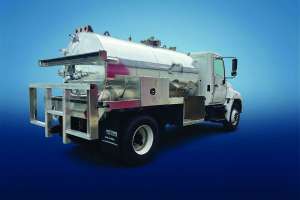
The founders of our industry overcame many obstacles and challenges to bring our businesses to where they are today. Service trucks are no exception. From the first motorized sewage truck patent in 1907 by American inventor George Blickensderfer to today, service trucks have undergone a remarkable transformation.
4. PSAI Industry Artifact: Evel Knievel, a Sky Cycle and a Rowdy Crowd
Evel Knievel was an American motorcyclist, daredevil and entertainer. He began using his motorcycle to jump cars, buses and other obstacles in the early 1960s. He gained fame on Dec. 31, 1967, by successfully jumping the Caesar’s Palace Fountains and then crashing upon landing. ABC Sports covered the event, making Evel Knievel a household name in the early 1970s.
5. PSAI Industry Artifact: Woodstock Memories From a PSAI Member
Even today, 55 years later, Woodstock ranks as one of the largest music festivals of its time. This event captured the spirit of the late ’60s — rock ’n' roll music, the hippie culture, free expression, drugs, anti-war protests and the list goes on. This three-day event was expected to draw some 50,000 paid attendees with 32 of the most popular acts of that time and, yes, portable sanitation was included in the planning.
6. PSAI Industry Artifact: As Skyscrapers Rose, So Did Portable Restrooms
The “Skyscraper Boom” began in the early 1960s and continued through the 1980s.
The definition of a skyscraper has changed as technology has changed; today, a skyscraper is considered a structure of over 500 feet. Here are a few numbers that reflect the history of the skyscraper.
7. PSAI Industry Artifact: The End of One Tradition and the Beginning of Another
The 1961 presidential inauguration was historic. President Kennedy would be the last U.S. president to wear the traditional stovepipe top hat — a tradition that began with Abraham Lincoln in 1861.
A new tradition began the same year. This was the first inauguration where portable restrooms are recorded as being in use — 16 total. By comparison, the 2009 inauguration of President Obama incorporated 8,600 portable restrooms.
Continue reading for free