Often referred to as “the workhorses of our industry,” trucks are a key component in the success and profitability of our companies. From route service to pickup and delivery, maintaining and monitoring the condition and the useful longevity of these vehicles are vital to all PROs.
Question: Over the past several months, I have been interacting with other PROs on social media and discussing successful strategies in managing our fleet of trucks. I have targeted companies with between five and seven years of experience as our company is five years old. We are at the point where our new trucks are not new anymore and we also need an additional truck or two due to expansion. What are some tips and suggestions for making decisions on trucks?
Answer: Fleet management is an often overlooked skill in our industry. We often buy and sell trucks based on merely attending industry shows and conventions. We use words such as “probably” and “I guess” when determining if we need to purchase a new truck or to invest in refurbishing an existing vehicle.
While PROs operate under unique circumstances in terms of size, service area, miles driven and types of trucks in their fleet, we will present suggestions and questions that, when answered, can lead to the most effective use of your company’s trucks.
Establish and Maintain Records for All Vehicles
While we monitor, maintain and forecast data on route services, numbers of units in the field, special event placements and company financial data, you also need to have data on:
- Purchase date and purchase price of each vehicle. The monthly loan payments and date of final payment should be on file.
- Number of miles driven per year and per month.
- Maintenance records per vehicle per year.
- Repair records and corresponding amount of vehicle downtime.
- Monthly inspections of each vehicle proactively notating any parts that are worn and may be in need of future repair. Notate any dents, scrapes, scratches to the exterior and any interior damage or “wear and tear” that may lead to driver discomfort and decrease productivity.
- At year end, the total expense associated with that vehicle — monthly loan payments, maintenance and repair costs — should be recorded and then compared to the other trucks in the fleet.
These records will help in the future where determination needs to be made to either sell the vehicle or to invest in rebuilding and refurbishing. By having data on all vehicles, comparisons can be made between vehicles and overall trends can be established. An effective fleet replacement strategy should be your goal.
Maintaining Older Vehicles
After investing in a new truck, the objective is to maximize its use long after the final loan payment is made. Many PROs consider a truck to be “new” while it is being paid off, typically four to five years. After that time, a few additional protocols can further extend the useful life of the vehicle. Among these suggestions:
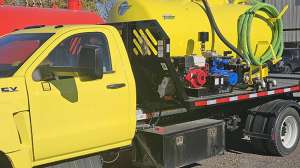
- If the truck is a vacuum tank truck, clean the tank on a quarterly basis and change the pump oil on a more frequent basis.
- Monitor tire and brake wear more closely.
- Inspect any signs of rust to the truck body or frame and remove.
- Make any needed repairs to the interior of the cab such as any small tears in the upholstery or floor mats.
Depending on the type of vehicle, the service area and the environmental conditions, some PROs can expect 10 years or so from a vacuum truck, 12 years or more from a delivery flatbed truck and even longer from a traditional pickup truck.
Advantages of New Vehicles
As your company grows or if older trucks need to be replaced, new trucks offer:
- The latest in technology and safety with fewer repair and maintenance costs.
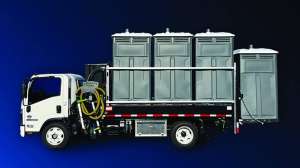
- If the new vehicles are larger than existing trucks in your fleet, efficiency can be gained by more services per route before disposal or more units that can now be delivered with larger flatbed trucks.
- New trucks are more reliable and present a positive image to your customers.
- Rewarding highly performing employees with the opportunity to operate a new vehicle is an excellent incentive and increases morale.
Other Tips and Suggestions
Our industry is perhaps one of the most open and helpful of any other industry in the world. Here are some tips and ideas that PROs have shared through the years in terms of maintaining and maximizing fleet vehicles and associated pumping equipment:
- For any vehicle with a separate slide-in vacuum tank, if it is in good repair, remove it before selling the vehicle itself. The tank can be reattached to a new chassis, thereby reducing the overall cost of obtaining a new pumping vehicle.
- If you need the ability to deliver more units per trip and have a slide-in tank on a flatbed truck, consider removing the slide-in tank. Depending on the size of the slide-in tank, either a pickup truck or a small cabover truck chassis can accommodate the tank.
- If you have an older pickup truck that no longer has the capacity to either pull trailers or to service with an attached slide-in tank, consider it as a “company shuttle vehicle” and use it to run errands, transport drivers to and from repair shops, or any other variety of miscellaneous tasks.
FINAL THOUGHTS
Fleet management is an often overlooked yet vitally important task. Being able to determine if and when new vehicles need to be purchased affects company finances and customer satisfaction. By recording, monitoring and establishing guidelines for fleet maintenance, PROs can more efficiently run their operations.
Continue reading for free