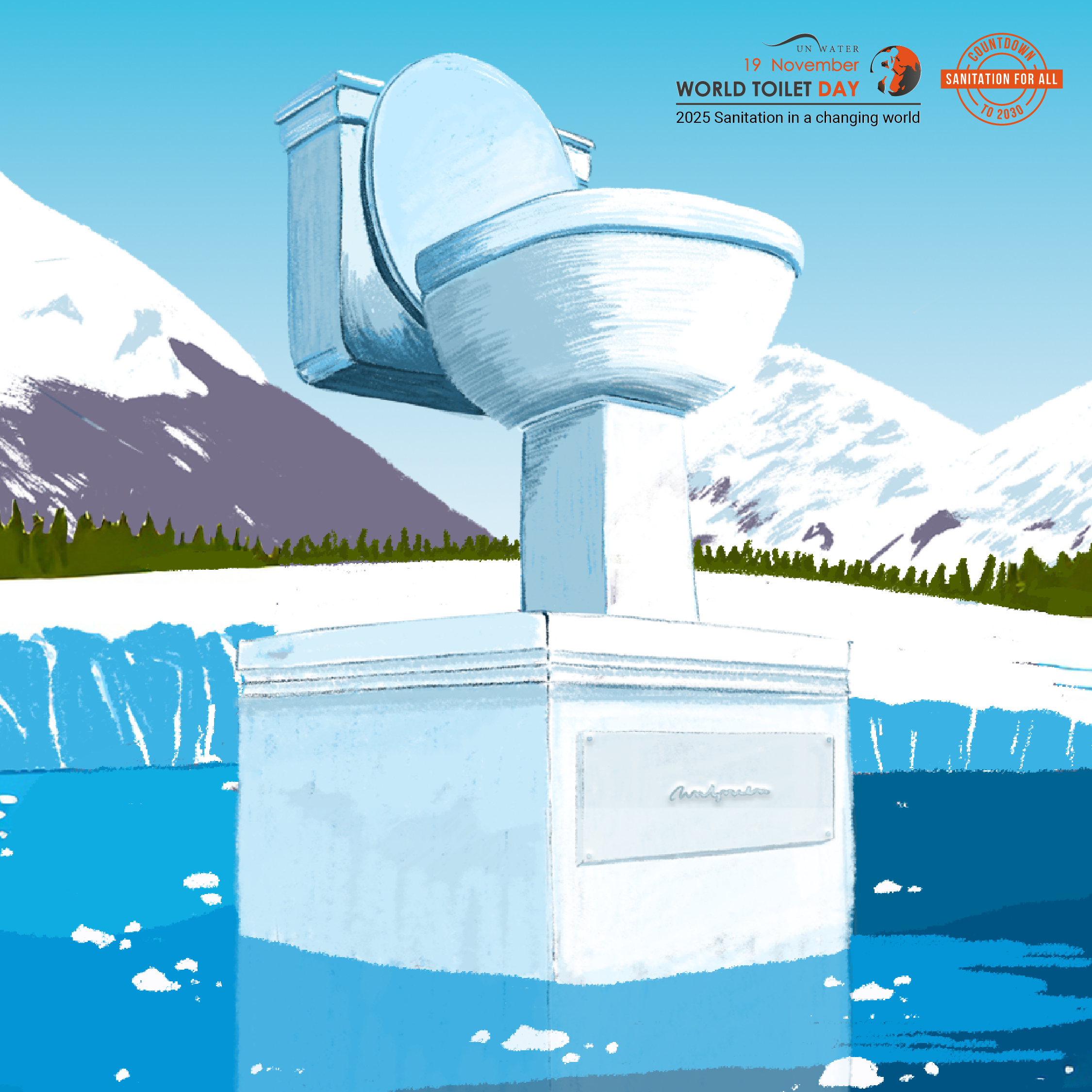
Since 2013, World Toilet Day has been held on Nov. 19, and is marked by the Portable Sanitation Association International and the United Nations. Both organizations seek to accelerate action to tackle the global sanitation crisis. World Toilet Day celebrates a different theme each year, and this year's campaign, "We’ll Always Need the Toilet," calls for action to protect and expand access to sanitation despite its challenges — such as aging infrastructure, rising demand and low investment.
The following sanitation facts and figures come from the WHO/UNICEF Water Supply, Sanitation and Hygiene (WASH) database. This World Toilet Day, revisit the cold, hard facts of portable sanitation and remind yourself, your employees and customers why your work is essential.
A global crisis
- 3.4 billion people still live without safely managed sanitation services — that’s nearly half the world’s population.
- 354 million people still practice open defecation, increasing the risk of disease and harm, especially for women and girls.
- Only 58% of the global population use a safely managed sanitation service — which means an improved toilet that is not shared, and has excreta safely disposed of in situ or transported and treated offsite.
Sanitation’s health implications
- 22% of schools worldwide have no access to basic sanitation services, affecting learning, dignity and attendance, especially for girls.
- Inadequate sanitation and hygiene are linked to the transmission of diseases such as cholera, diarrhea, dysentery, hepatitis A and typhoid.
- Unsafe water, sanitation and hygiene are responsible for the deaths of around 1,000 children under five every day.
Environmental impact
- 44% of global household wastewater is not treated properly, damaging ecosystems and human health.
- Only 38% of industrial wastewater is safely treated (based on limited data from 22 countries).
The untapped potential for safe wastewater reuse is around 320 billion m3 per year, with the potential to supply more than 10 times the current global desalination capacity.
Continue reading for free