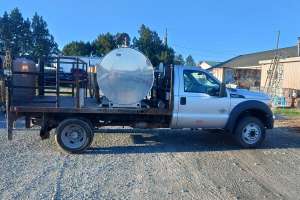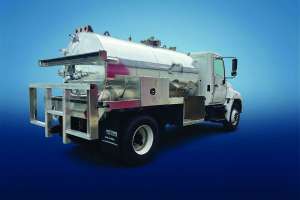

As the busy season approaches, portable restroom operators face a simple reality: Your pump trucks must perform reliably every day. When demand peaks, there’s little room for breakdowns, delays or equipment failures. A single truck out of service can disrupt routes, delay service and strain customer relationships. Proactive fleet preparation ensures your trucks are ready to handle increased workloads safely and efficiently.
A comprehensive inspection and maintenance checklist helps identify small problems before they become costly failures during your most profitable months.
1. Pump maintenance
The vacuum pump is the core of every service truck, and its reliability directly impacts productivity. Reduced suction power, slow pumpout times or pump failure can significantly extend route duration or render a truck unusable.
Start by inspecting pump oil levels and condition. Contaminated or degraded oil reduces lubrication effectiveness and accelerates wear. Follow manufacturer-recommended oil change intervals and use the correct oil type for your specific pump model.
Check belts, pulleys and drive components for wear, cracking or looseness. Improper belt tension can reduce pump efficiency and cause premature failure.
Inspect seals and gaskets for leaks. Air leaks reduce vacuum pressure and pumping performance, forcing operators to spend more time servicing each unit.
Run each pump and listen for unusual noises such as grinding, knocking or excessive vibration. These signs often indicate internal wear that should be addressed before peak season begins.
Preventive pump maintenance not only improves performance but also extends equipment lifespan and reduces costly emergency repairs.
2. Tank and hose inspections
Your vacuum tank and hose system must safely handle waste removal without leaks, clogs or structural failures.
Inspect vacuum tanks thoroughly for:
- Corrosion or rust, especially around weld seams
- Structural cracks or weak points
- Proper functioning of pressure relief valves
- Secure mounting to the truck frame
Pressure relief valves are critical safety components. These valves prevent excessive pressure buildup that could damage the tank or create dangerous operating conditions.
Hoses require equally careful inspection. Look for:
- Soft spots or weakening in hose material
- Cracks or splitting along the length
- Loose or worn fittings
- Signs of internal blockage
A hose failure during service creates safety hazards, delays routes and damages customer confidence. Replacing worn hoses before peak season prevents midroute emergencies.
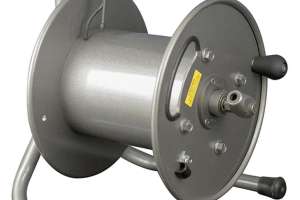
Also confirm that hose storage racks and brackets are secure and allow for safe handling.
3. Cab setup and supplies
A well-organized cab improves driver productivity and reduces wasted time searching for tools or supplies. Each truck should be fully stocked and ready for daily service demands.
Essential cab and truck supplies include:
- Hand sanitizer and personal protective equipment
- Spare service caps and seat covers
- Deodorizer and cleaning chemicals
- Basic hand tools for minor repairs
- Spill containment supplies
Verify that all gauges, switches and controls function properly. Drivers rely on accurate gauge readings to monitor tank levels, vacuum pressure and system performance.
Check mirrors, backup alarms and camera systems to ensure safe vehicle operation. Visibility and awareness are especially important when servicing crowded construction sites or busy event locations. Ensuring cab readiness helps drivers meet safety standards while improving efficiency.
4. Spare parts and backup units
Even with excellent preventive maintenance, unexpected failures can occur. Having spare parts readily available minimizes downtime and keeps routes on schedule.
Maintain inventory of commonly needed replacement components, including:
- Vacuum hoses and fittings
- Pump belts
- Gaskets and seals
- Valves and clamps
- Electrical fuses and connectors
Keeping these parts on hand allows technicians to perform quick repairs without waiting for deliveries.
Backup trucks are equally important. If your fleet operates at full capacity with no redundancy, a single breakdown can disrupt multiple routes. Maintaining at least one fully equipped backup truck provides essential flexibility during peak season.
Backup units also allow scheduled maintenance without interrupting service.
5. Conduct full vehicle inspections
In addition to vacuum system components, inspect standard vehicle systems, including:
- Engine oil and fluids
- Brakes and brake lines
- Tires and tire pressure
- Suspension components
- Lights and signals
High-season workloads place additional strain on vehicles. Ensuring overall truck health reduces the risk of breakdowns and improves driver safety.
Encourage drivers to perform daily pretrip inspections and report concerns immediately. Early detection prevents minor issues from escalating into major repairs.
Fleet readiness is one of the most important investments portable sanitation operators can make before peak season begins. Proper pump maintenance, hose and tank inspections, cab preparation and spare parts planning ensure trucks operate reliably when demand is highest.
A well-prepared fleet minimizes downtime, improves route efficiency and strengthens customer confidence. By taking a proactive approach to pump truck maintenance, operators position themselves for a smoother, more profitable busy season — delivering the dependable service customers expect.
Continue reading for free