




High-profile special events are unforgiving environments for PROs. Whether it’s a multiday music festival, a televised sporting event or a VIP corporate gathering, expectations are elevated and tolerance for error is minimal. A single service failure can quickly escalate into reputational damage that extends far beyond the event itself.
Plan for backup
The most effective way to prevent service failures is to assume that something will go wrong and plan accordingly. Backup equipment should be treated as a nonnegotiable line item in your event logistics plan, not an afterthought.
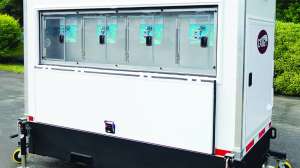
Start with a risk-based assessment. Events with high attendance density, alcohol consumption or extended durations inherently carry greater usage variability. Build redundancy into your deployment numbers, where you can, by staging additional standard units, ADA-compliant units and hand-wash stations nearby but out of sightlines. For high-end events, try to include backup restroom trailers and ensure they are fully serviced, stocked and ready for immediate activation.
Equally important is having spare parts and consumables on site. This includes pumps, hoses, seals, deodorizer, toilet paper and hand sanitizer. Remember, a minor mechanical issue can become a major service disruption if your crew has to leave the site to source a replacement part. Pre-event equipment inspections should be thorough and documented, with any marginal units pulled from deployment.
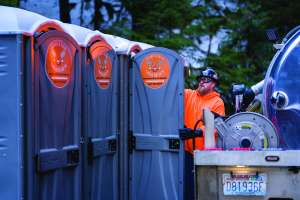
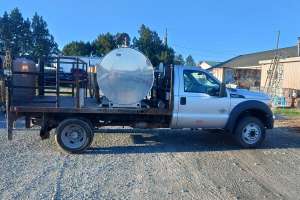
Consider fleet readiness. Backup service trucks — either on standby or staged within a defined radius — can mean the difference between a quick recovery and a prolonged outage. Preventive maintenance in the weeks leading up to the event is critical to ensure every vehicle performs under pressure.
Develop emergency-response procedures
Even with robust planning, issues arise, what separates top-tier PROs is their ability to respond quickly and effectively. This requires clearly defined emergency response procedures that are understood by every team member on site.
Begin with the chain-of-command structure. Everyone should know who is responsible for decision-making in the event of a service failure. Field supervisors should be empowered to act without waiting for offsite approvals when time is critical. Establish response time benchmarks — for example, addressing any unit-related complaint within 15–30 minutes depending on site size.
Create scenario-based response plans for the most common failure points: full tanks, vandalized units, supply depletion and equipment malfunctions. Each scenario should have a predefined set of actions, including whether to service, swap or supplement units. Train your crews to execute these protocols efficiently and safely.
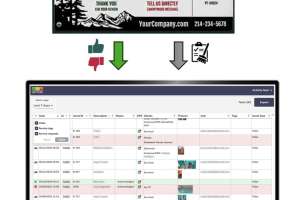
Communication tools are just as important as procedures. Equip teams with reliable radios or mobile communication systems that function across the entire event footprint. Dead zones or delayed messages can significantly slow response times. Many PROs are integrating GPS tracking and service management software to monitor crew locations and task completion in real time, allowing for dynamic adjustments as conditions change.
Create communication protocols
At high-profile events, perception is as important as performance. Even a well-managed issue can reflect poorly if the client feels uninformed or blindsided. Establish clear customer communication protocols to ensure transparency and build trust, even under challenging circumstances.
Designate a single point of contact for the event organizer, typically an account manager or on site coordinator. This person should provide scheduled check-ins throughout the event, offering status updates on servicing, supply levels and any emerging concerns. Proactive communication demonstrates control and professionalism.
When an issue does occur, notify the client promptly, outline the problem and present the corrective action being taken. Avoid vague language, specificity reassures clients that the situation is being handled competently. For example, instead of saying “we’re addressing it,” state that “a service crew is en route and will resolve the issue within 20 minutes.”
Documentation also plays a role. Keep logs of service times, incident reports, and corrective actions. These records can be invaluable during post-event debriefs and help reinforce your reliability if questions arise.
For recurring or multiday events, create feedback loops. Encourage clients to share observations in real-time so adjustments can be made before minor issues escalate. This collaborative approach positions your company as a proactive partner rather than just another vendor.
Event organizers remember the providers who make their jobs easier and protect their reputation when it matters most. Avoiding failure is an important component of reliability, but so is trust. And trust is what leads to repeat contracts and sustained growth.
Continue reading for free