A disturbing recent news account out of Manchester, New Hampshire, had me asking this question. An 18-year-old man was arrested for criminal restraint, criminal mischief and assault on a police officer after he allegedly overturned a portable restroom, trapping a mother and her 4-year-old daughter inside.
According to a report from katu, the incident happened shortly after the man and woman argued and she entered the restroom to help her child. The man pushed the restroom from behind so the door faced the pavement, preventing the pair from escape. The assault charge came after the man threw something at officers, who responded on a 911 call made by the victim while she was trapped in the restroom. The news story said the man and woman didn’t know each other.
The woman and child were uninjured but were covered with wastewater from the restroom holding tank. Bystanders tipped the unit up and opened the door.
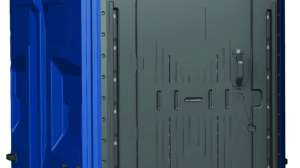
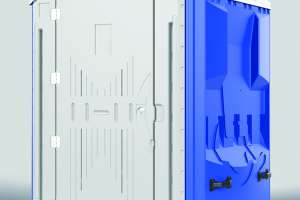
Up until now, PROs have utilized stakes to secure restroom skids to the ground on uneven terrain or in high wind conditions. But this seemingly random attack and increasing reports of vandalism tipovers begs the question if stake-downs should become standard operating procedure in a variety of situations and settings.
For example, it seems many units placed at remote locations in public parks are at risk of tipovers from teens looking to cause trouble. The same holds true for many urban placements near homeless populations or at open construction sites that are busy during the day but are more isolated in nonworking hours.
At some point perhaps the cost of stakes, the labor it takes to install and remove them, and the risk of further damage when vandals try to strong-arm the secured units are offset by the cleanup time spent by your crews after tipovers. The other benefit of staking units is preventing horrifying attacks like this vulnerable woman and her child had to endure.
This story may create a good opportunity for you to speak to your customers about the potential benefits of the added service of staking units. It’s unfortunate that it would come to this, but it might be time for this discussion to protect the public using restrooms and to improve working conditions for your crews that have to clean up the messes. What do you think?
CONFRONT ISSUES WHEN PROVIDING RESTROOMS FOR THE HOMELESS
Speaking of restroom security, officials in New Haven, Connecticut are grappling with issues of placing portable restrooms at a popular downtown gathering spot used for both festivals and by a homeless population. The New Haven Green should be a beautiful area to show off the city’s attributes to tourists, but restrooms placed there are constantly abused, left damaged and in an unsanitary condition, according to a report in the New Haven Independent.
Recently a pair of restrooms that portable restroom operator G.I. Johns placed were littered with drug paraphernalia, according to the story, and feces were strewn throughout the units. At one point, zip ties were used to secure the doors until the units could be repaired and cleaned, but someone had snipped the ties. The company removed the units and brought in six fresh ones.
A homeless person concerned about the messes and worried that restrooms would no longer be offered, told the newspaper a few disrespectful users were ruining the restrooms for everyone. City spokesperson Lenny Speiller said G.I. Johns services the units on Monday, Wednesday and Friday, including “a full pumpout of contents, replacement of sanitizing agent, sweeping, general disinfection and deodorization, minor repair work and graffiti removal, and restocking toilet paper.”
Still the problem persists. And this appears to be a common situation for many PROs who serve urban parks where the homeless set up camp. I’d be interested in hearing the stories of PRO readers who can relate to the challenges of placing units in similar locations. What tactics have you tried to curtail vandalism or the messes users leave behind? Have you declined the offer to serve areas the homeless frequent because of damage to your equipment and the poor working conditions for your crew?
The newspaper’s reader responses recognize the need to provide portable sanitation to the homeless and downtown park visitors. But they also share the need for providing better security and maintenance for the units. Readers made these suggestions:
- Place the units in a well-lit area and provide automatic lighting inside the restrooms when in use
- Set up video cameras outside of the bank of restrooms to help identify and prosecute the vandals
- Inspect the units every three hours and lock the abused units until they can be serviced or replaced
- Build the extra costs for inspections and more frequent services into the city contract with the restroom provider
- Add a sharps and drug paraphernalia container to the inside of units for disposal of these dangerous items
OLD-FASHIONED POLICE WORK NABS ARSONIST
I understand it can seem like a hopeless exercise to track down and hold responsible vandals who cause damage to your portable sanitation equipment. I’ve heard about it many times before: broken wall panels, doors ripped off their hinges, units in public places lit ablaze, graffiti.
All of this with no consequences for the perpetrators and only a hefty repair or replacement bill for the PRO or the customer who rented the restroom.
However, once in a while justice is served. Coupeville, Washington, Marshal Bo Miller proved you can make an arrest in a restroom vandalism case if you go the extra mile. Miller was investigating a series of seven Friday night restroom arson fires on Whidbey Island in the Puget Sound, northwest of Seattle, and cracked the case with a little surveillance work. The story was recounted in the South Whidbey Record.
One evening Miller was staked out in plain clothes at the local library, across the street from several restrooms that had been torched previously. After seeing a vehicle approach matching the description of one from an earlier case, he concealed himself in bushes near the restrooms, then approached the units when the driver of the truck went inside one. When the man emerged from the restroom, Miller went in and found a roll of toilet paper on fire. He quickly arrested Ryan T. Parish, who was charged with two counts of second-degree arson. Parish had been convicted for setting similar fires a decade earlier.
While this may not seem like the crime spree of the century, kudos to Marshal Miller for pursuing a vandalism complaint that PROs certainly take seriously.
Continue reading for free