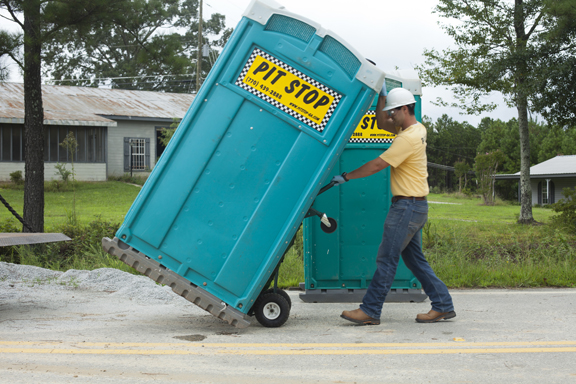
The temptation to patch a restroom up “one more time” is strong, especially when it’s busy. In those moments, every unit on the road represents potential revenue. However, there comes a point when a unit stops being an asset and starts becoming a liability. Deciding when to retire a unit is strategic, not just a chore.
If your restrooms are starting to make you wonder, here are six signs that it’s time to retire that unit.
1. Persistent structural instability
The most critical reason to retire a unit is safety. If an inspection shows deep cracks, warped panels or a spongy, compromised floor, no amount of cosmetic work will fix it. Structural failure is a liability risk. If a user trips on an uneven floor or a panel gives way under stress, the cost of an incident will far exceed the price of a new unit. If the restroom’s integrity is failing, it has reached the end of its functional life.
2. High repair frequency
Track your maintenance records. If a unit consistently requires minor repairs, it may be draining your resources. Hinge replacements, latch fixes or pumpout line patches are cheap in isolation, but expensive when all those line items are added up at the end of the season. If you find yourself servicing the same unit for the same issues multiple times in a single season, you are losing money on technician labor and lost time. A unit that needs constant care can leak profit every time it leaves the yard.
3. Deteriorating brand perception
Your equipment is your brand. Faded plastic, persistent staining and graffiti may not technically affect a unit’s ability to serve, but they destroy your market positioning. This is especially true when servicing high-end events like weddings, corporate functions or upscale festivals. If you wouldn’t be proud to show a photo of that unit to a prospective premium client, it probably shouldn’t be in your rotation.
4. Technological obsolescence
Customer expectations are shifting. Modern units offer better ventilation, superior odor control and improved ergonomics that older designs can’t match. If your older units lack modern standards and, in some cases, amenities, they are effectively "utility-only" assets. It’s difficult to justify charging premium rates for units that provide a subpar user experience. If a unit cannot be upgraded to meet current market expectations, it’s time for it to go.
5. Negative ROI
Financial analysis should take the guesswork out of your decision. Use your unit’s rental history to calculate its true value. If a unit’s cumulative maintenance costs, combined with its purchase price, have already tipped into the red, retiring it is the only logical move. Ditto if the cost to recondition it exceeds its projected future rental revenue. Use math to decide: If it costs more to fix than it will earn, retire it.
6. High opportunity cost
Finally, consider your space. Every unit in your yard takes up square footage. If you are keeping a fleet of aging, low-margin units, you are losing the opportunity to replace them with higher-margin models. And you’re losing logistical space to boot. A yard full of "serviceable but barely earning" equipment is an inefficient use of real estate. Retiring broken or older units allows you to reinvest in more reliable assets, which can justify higher rental fees and require less maintenance.
Continue reading for free