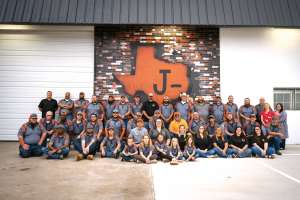
Employee training is not only important to build an outstanding company, but some states also have training requirements for employees. Whether it is route service technician certification, continuing education credits for a representative of the company, or company certification, PROs should be aware of these requirements for the states where they operate. We have two questions this month that pertain to training and requirements for training.
QUESTION: Our company is in the process of initiating employee training sessions as part of our monthly company meetings. What suggestions do you have as to how to conduct these sessions and if this training would satisfy educational requirements for our state? (The state was not named.)
ANSWER: Each state varies as to educational requirements. PROs should become familiar with the specifics for their location. We will give some generic suggestions concerning company training meetings you can adapt for your particular state requirements.
From our experience, company meetings that include a training portion — or on occasion are exclusively training oriented — are beneficial to the company, the employee and the customer. A few general suggestions for any company meeting include:
Regularly schedule the day and time of the meeting. This is an effective planning tool regardless of the content of the meeting. Open communication and teamwork benefit each member of the company.
Provide the topics to be covered in advance of the meeting. This will allow team members to be prepared with ideas or questions, which will result in a more effective meeting.
At the beginning of the meeting, consider passing around a sign-in sheet for all attendees with the date, the topics and the speakers or trainers listed. This concept has several advantages, whether for a general meeting or for training purposes. If, for example, company policies are presented, there is a record of each person made aware of the subject matter. For training purposes, there is proof of attendance as well as the name and position of the trainer. Verify with the state or local educational contacts to ensure that such training and verification will be sufficient.
TRAINING IDEAS PROS HAVE SHARED THROUGH THE YEARS:
Quarterly safety meetings. Exclusively dedicated to employee safety, these meetings are effective and have been shown to reduce accidents and injuries. Demonstrations, guest speakers and online presentations are available. These sessions also let employees know their welfare and safety are important to the company. Some PROs will also have a short period of every meeting dedicated to a safety tip of the month.
Meetings where cross-training is presented. For example, a day in the life of a dispatcher is presented for route service technicians to better understand the various duties and challenges involved in that position. Communication and teamwork can be significantly improved.
Presentation of new products to assist administration and sales. As a suggestion, restroom trailer delivery, site selection, setup, maintenance and service can aid in conversations with customers at the time of the order.
Dealing with customers. Administrative personnel can share tips with route service technicians on effectively working with various customers and customer situations.
These are a few possible ideas for training meetings. If education hours are required and accepted by the certifying entity, a file with the attendance record, topic outline and the speaker’s information will ensure your training requirements are easily met.
* * *
QUESTION: Our company is new in the industry. We have completed the registration of our company with our secretary of state’s office. How do we investigate further requirements for our employees?
ANSWER: Since we reside in Georgia, we will use our home state as an example for researching requirements in your state of operation.
We searched online for “Portable restroom requirements Georgia.” The first website listing was for “dph.georgia.gov.” This is the Department of Public Health for the state of Georgia.” The title listed “Rules of the Department of Public Health, Chapter 511-3-6 Portable Sanitation Contractors.”
THE HIGHLIGHTS OF THIS 12-PAGE DOCUMENT:
Definitions of all terms, construction of portable restrooms, removal and disposal of waste, certification and an appendix. The appendix shows adherence to the OSHA requirements of one restroom unit for every 20 workers for a 40-hour week on a job site and the results of the University of Missouri – St Louis study for special events that provides a grid for the number of units needed based on crowd size and duration of the event.
Employee certification requires “individuals engaged in the cleaning installation and maintenance of portable sanitation units must be 18 years of age, show proof of employment, and successfully complete a written or oral exam concerning maintaining a portable sanitation unit in a clean, sanitary and functional condition for the protection of human health, safety and welfare.” Furthermore, “individuals currently certified by the Portable Sanitation Association International are excluded from the state examination requirement.” Certification is valid for two years.
Company certification requires that “the owner or a designee must obtain six hours of continuing education approved by the department every two years.” The renewal period is two years as well.
CEUs in the state are approved for education offered by such organizations as the PSAI, the WWETT Show and the Georgia Onsite Wastewater Association. Approvals for CEUs from company or other training can be submitted to the state for review.
This example outlines how PROs can research certification requirements for their state. If a PRO is a member of the state wastewater association or the PSAI, this information can also be validated by these organizations.
FINAL THOUGHTS
Be aware of educational requirements from your state in the same way that you are aware of legal, tax and insurance requirements for your company. Employee training and education are important to the success of your company and state requirements reinforce that fact. Be diligent and adhere to regulations that are applicable to your company. Your customers will be the beneficiaries of this education as well.
Continue reading for free