
In our portable sanitation company, particularly in the early days of operation, we were often blindsided by some issues we had failed to focus on. From paying attention to our facility to properly maintaining office equipment to preparing for our busy season, we seemed to be addressing these items in a reactive manner as opposed to being proactive.
Our solution was to designate the month of March for “spring cleaning.” During this month we addressed a variety of tasks that typically need to be done on an annual basis. This particular month made sense to us as this is the time of the year that the weather, the time change and the event season transitioned.
“Spring cleaning” targeted the following areas of our business:
- Building
- Office
- Yard
- Special event equipment and supplies
- Paperwork
Here were the tasks we addressed in each area:
Building
- Annual fire extinguisher inspection and renewal. This is a health and safety concern, and inspections need to be scheduled with your local contacts.
- Heating and air conditioning inspections and air filter changes.
- Inspection of insulation above office ceilings while looking at the underside of the roof for any signs of light. Winter weather may have caused damage that cannot be seen from outside.
- Open outside water meter cover and inspect water shut off valve to the building. Rain throughout the year can sometimes allow for mud to cover the valve which is undetectable from above unless the meter cover is removed.
- Inspect areas under sinks in breakroom and restroom areas for any signs of leakage. Small leaks can eventually become major plumbing problems.
Office
- Move stationary equipment (office server, office copier, desktop computers, refrigerator, microwave, coffee pot, other such items) and thoroughly clean these areas. Hidden dust can eventually impact the performance of some types of equipment.
- Defrost, clean and inspect refrigerator in the break room.
- Replace batteries in smoke detectors. This is a consistent method of ensuring the safety equipment is operational.
- Inspect office first aid kits. With longer hours and more people working during event season, first aid kits need to be stocked with current supplies.
- Review all posted material for validity and accuracy (business permits, health and safety inspection scores, Occupational Safety and Health Administration information). If a permit is close to expiration, notate this and schedule accordingly on the company calendar. Remember, between Feb. 1 to April 30, OSHA 300 Logs must be visibly posted.
Yard
- Walk the property boundaries. If there is a fence, is it in good repair? If privacy material covers the fence, are there any tears or areas that need to be replaced?
- Observe trees on the property. Are they healthy with no dead limbs hanging over any equipment or the building?
- Inspect power poles or light poles on the property. Are any lights out or dim? Are poles upright and secure?
- At the proper time of the year, open external water spigots that were winterized and make sure there are no leaks.
- Inspect storage sheds, covered areas or decks for damage due to winter weather. Do other proactive repairs need to be made?
Special Event Equipment and Supplies
With the goal of having all event equipment ready for rental after the winter season, the tasks include the following:
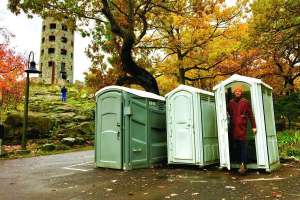
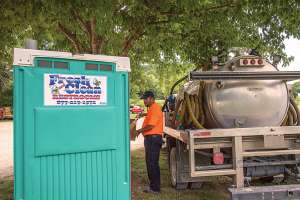
- Inspect and clean all special event restroom units. Roofs, in particular, get dirty if stored outside. The tanks will need to be cleaned and pumped of any water, leaves, pine straw or other debris that accumulated throughout winter. Inspect all hardware to ensure it is in good working order.
- Clean and test foot pumps for ease of use, if sinks have been stored in a protected area. If the sinks have been exposed to the elements, the plugs should have been removed so water would not accumulate inside the unit. In this case, only more external cleaning will have to be done to these sinks.
- Restroom trailers will need to be “de-winterized” based on your geographic location and at the proper time. Antifreeze or other such liquids must be drained from the trailer. Remove protective skirting from the underside of the trailers. Connect to water and power to validate that lights, temperature controls, sinks and toilets are operational. Check the air pressure and condition of the tires after several months of inactivity.
- With the forthcoming event season, extra supplies and supplies for specific equipment must be ordered. Additional cases of toilet paper and cleaning supplies are obvious. Do not forget special supply items such as hand sanitizers and refills, soap dispensers and refills, and supplies for restroom trailers. Further, some PROs use deodorizer pods for event units as opposed to mixing the deodorizing liquid with water. Given current supply chain problems in the worldwide economy, consider keeping your supply levels somewhat higher than in the past.
Paperwork
Before the workdays became longer and busier, putting a special emphasis on paperwork during spring cleaning was beneficial throughout the rest of the year. Specifically, we concentrated on:
- Employee performance plans and reviews. Our policy was to conduct year-end reviews and to create new performance plans for the coming year. Was there a need for any follow-up reviews or changes in responsibilities with event season about to begin? If new hires were coming onboard for the event season, were their performance plans complete and ready to be presented?
- Are company policies current and relevant? Do any changes need to be made?
- Is the company contact information list for all employees current? This would also include emergency contact information.
- Dues and subscriptions. We reviewed our membership status in various organizations and subscription status with software programs, and applications. Future renewal dates were then put on the company calendar. On occasion, we would discover a subscription to a program or application we no longer needed and could cancel and enjoy the savings.
FINAL THOUGHTS
“Spring cleaning” was a way for our company to examine and to control aspects of the business often overlooked during the busy times of the year. Unexpected issues still occurred, as they do for all of us, and often at the absolute busiest times; however, we feel that many other problems were avoided by having this dedicated time of the year to work on these issues.
Continue reading for free