
When the construction industry experiences a boom, the portable sanitation industry gets a little boost too.
A recent article in The Boston Globe reports on this phenomenon, discussing Boston’s “game of thrones” — the competition over large, lucrative construction contracts and the growth area restroom businesses are experiencing.
Demand is high, but the work is tough. Here are some tips for finding construction clients and how best to serve them.
Drum up more business
No one likes cold calling, but it’s one simple way to get your name out. Dig into the Yellow Pages or the building and construction Blue Book, and call every company in your area. Tell potential customers how you can help them do their job better. They may not need your services immediately, but give them a quick rundown of your offerings and you’ll be on their radar when they are lining up services for their next project.
Call companies you’ve previously worked with to see if they could use your help on any of their upcoming projects. Have route drivers drop off a business card, magnet or other promotional item at construction sites they pass.
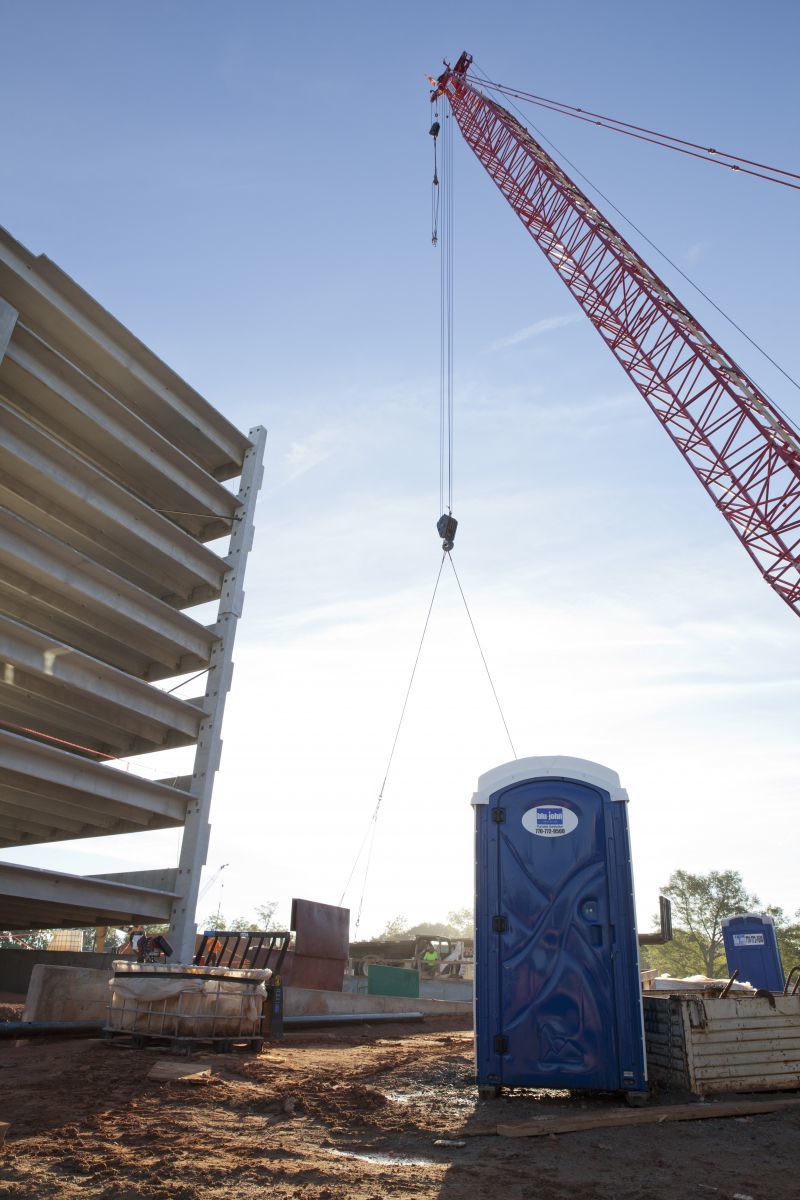
Provide great service
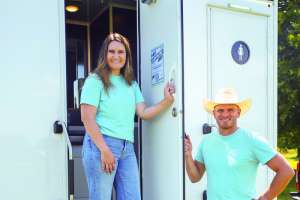
Consider adding services in order to be a one-stop shop for construction customers. Roll-off containers and portable fencing can be lucrative add-on options. Restroom trailers are also sometimes in demand on construction sites — especially during the winter when a heated unit is preferred.
Work on your deodorizing strategy. You probably need a stronger product if units on a construction site are only being serviced once a week or every other week — especially if it’s hot.
Protect your equipment
Work with the project manager to make sure your restrooms are located in the right area of the work site. They should be easily accessible by your technicians for cleaning and pumping and in a spot where they hopefully won’t get damaged or stolen.
But accidents happen, and construction sites can be hazardous. It’s wise to use older restrooms on these jobs — those still in good condition but units that have long since paid for themselves — so it’s not a devastating loss if some get damaged beyond repair.
Stake down units and use padlocks and barriers where necessary. Damage waivers are always a good idea but even more important on sites where accidents can happen. Learn more about writing damage waivers here.

Continue reading for free