
Question: Having started our business in the fall of 2019, we have yet to experience a “true” event season. How should we get our equipment ready?
Answer: Hopefully, this year will see a traditional spring special event season followed by the summer season and ending with fall events. Given that, let us discuss preparations for your event equipment and supplies.
Restroom units
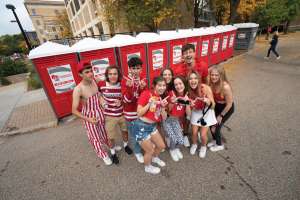
Event units are typically new or almost new and it is important to keep them in that condition. Here are some useful tips to accomplish this objective:
Thorough cleaning and hardware inspection — Event units can accumulate dirt, dried leaves and even insects during the months where there are no events.
1. Clean each unit with either a hose or preferably a pressure washer. That’s a good first step while at the same time inspecting the entire unit for any damage or defect.
2. Pay particular attention to the areas between the tank and the walls as dirt can build up in these areas over the winter.
3. Inspect the urinal and make sure it has no calcium buildup on the trough area or the drain tube. If you find a buildup, clean appropriately with a urine cleaner or the traditional method of using oven cleaner. Ensure the urinal is securely riveted to the wall.
4. Clean the tank and inspect for holes. Inspect the toilet seat for cracks and make sure bolts are tight and secure.
5. Clean toilet paper holders if needed and properly secured to the wall just as with the urinal. Toilet paper locks should also be inspected so they lock properly and securely.
6. Clean hand sanitizer dispensers, if applicable, and properly secure them to the wall. If your company policy is to store them with the dispenser bags inside, make sure that they are full and that the dispensing nozzle is open and ready to use.
7. Inspect the door, door lock and door springs for damage or defect and repair as needed.
8. Clean the outside, paying particular attention to the roofs, which may not be the shiny white color that was evident at those fall events.
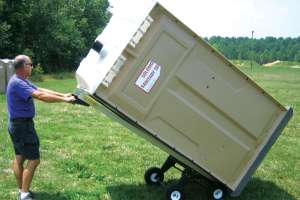
9. A common area overlooked for a good cleaning is the skid. Tilt the unit back and spray the underside of the skid to eliminate dirt, mud and possible odors.
10. Replace rivets on the unit that are either damaged or missing.
Unit tracking numbers or tags — If you want to establish a system to track each event unit, this is a suitable time to install the appropriate tag, decal or barcode since all of the event units are in the yard for the off-season.
Creating “specialty units” — Some PROs assemble units that offer different amenities for events. Spring is an ideal time to do these modifications.
1. Installing interior lights — battery operated or solar — are a great option for customers who have nighttime events in unlight areas.
2. Removing the urinal, plugging the drainage hole in the tank and creating “female only” units. This may help distinguish your company from your competitors.
3. Removing the tank, the urinal, installing a solid floor and adding a baby changing station securely attached to the back wall. Baby changing stations can also be installed in ADA units.
Portable sinks and hand sanitizer stands
1. Thoroughly clean and scrub sinks, giving particular attention to ensuring the drainage plugs have a tight fit. The interior water tubes should be inspected for accumulation of mold. Using 10% bleach solution to clean these tubes is wise.
2. Clean the freshwater tank with disinfectant soap and inspect for leakage.
3. Some PROs will seal the water faucets with tape or other material so that the hoses stay capped while not in use. This further prevents mold in the water lines.
4. Check the foot pumps for ease of use. Make adjustments, repair or replacement as needed.
5. Make sure the “nonpotable water” decal is securely attached to the sink and replace if needed. Without such a decal, PROs are potentially liable if the water is used for drinking.
6. Clean and inspect hand sanitizer stands by ensuring each dispenser is properly secured and that the dispensers themselves are in working order. Clean the area under the base as well.
Restroom trailers
Trailers are expensive investments and should be treated accordingly.
Interior:
1. Using a mild disinfectant cleaner, thoroughly clean and inspect the sinks. Check the water pipe under the cabinet for leaks. Use the disinfectant cleaner in the drain to further clean the pipes.
2. Clean the mirrors with a mild disinfectant and soft, lint-free cloth. Do not spray the cleaner directly onto the mirror, spray on the cloth and then apply to the mirror.
3. Clean and inspect each toilet bowl, checking for cracks or leakage areas. Inspect the foot pumps for proper use. Some PROs will partially fill each bowl with a mild, fragrant disinfectant and leave for some time to leave behind a pleasant scent inside the unit. Upon flushing this product, the holding tank will also benefit from this disinfectant.
4. Inspect the lights, light fixtures and thermostat for proper operation.
5. Inspect the stall doors for hardware issues.
6. Clean the floor and check for cracks or damage.
7. Inspect the entry door hardware and for ease of use. The door should lock properly and easily.
8. The utility closet should be thoroughly inspected. Electric wires, cords and fuses should be in ideal working order. The freshwater storage tank should be cleaned and water lines inspected for leakage or mold.
Trailer exterior:
1. Steps are sturdy and secure.
2. Exterior sheet metal is secured to the frame.
3. All signal lights are in proper working order.
4. Tires are in good condition and properly inflated.
5. The tongue of the trailer and the support jacks are sturdy and secure.
6. Spring is a good time to thoroughly clean and inspect the roof. If the trailer is stored outside, the accumulation of dirt and debris can be extensive after winter.
7. Check and clean the waste disposal cap. Depending on the design, the cap can show degradation over time. You need a solid, tight fit to avoid drips or leaks while at an event.
Specialty trailers:
1. Shower trailers should be cleaned and inspected similarly to a standard trailer. Clean shower areas and preventing water leaks are the key objectives here. The outside of the trailer should be cleaned and inspected as described above.
2. Laundry trailers should have thorough cleaning inside the washers and dryers. Electrical inspections are crucial with these trailers.
Other equipment and supplies:
1. Unit-hauling trailers should have tires, brakes and lights inspected in a similar fashion to that of restroom trailers.
2. Ratchet straps for securing units and other rental equipment should be inspected and replaced as needed. Don’t overlook these crucial pieces of safety equipment.
3. Have large quantities of supplies on hand before the event season begins. With supply chain issues we have been experiencing, PROs should have more than adequate supplies of toilet paper, paper towels, hand sanitizer liquid and cleaning supplies.
FINAL THOUGHTS:
By considering these various tips for spring cleaning of your event equipment, the only remaining task is to start making those calls and booking those events!
Continue reading for free