The summer heat can be an added challenge for route service technicians, pickup and delivery personnel and the yard staff. This month’s question focuses on staying cool and avoiding heat exhaustion.
Question: Our company’s biggest challenge in the summer is the intense heat that makes our event season even more challenging. What are some tips that you can share in terms of staying cool and avoiding heat exhaustion during these busy times?
Answer: Employee safety is a major priority for all PROs, and the summer heat should be a concern. Depending on your geographic location, summer temperatures can easily average in the 80s and much higher, while daylight can average between 14 and 15 hours. With this extended exposure to the sun and high temperatures, running a route, delivering units or preparing units in the yard can greatly affect one’s well-being. We will focus on identifying the symptoms of heat exhaustion and some daily tips to avoid this condition while providing comfort for those in the field.
Heat exhaustion
Having all employees understand the condition and how it is the focal point of this safety program.
Our body regulates temperature by sweating, and we sweat more in the summer heat as a way of cooling down. When we sweat, we lose water, salt and nutrients that help our body to function. If we do not replenish these elements, we can become dehydrated, which leads to heat exhaustion. An even more severe case is a heat stroke, which is a serious “call 911 immediately” situation.
Symptoms of heat exhaustion include:
- Dizziness, feeling faint
- Fatigue
- Headache
- Excessive sweating
- Muscle cramps
- Thirst
- Cool, clammy skin
- Nausea
- Rapid heartbeat
Health experts recommend immediate cooldown — moving to shade or ideally an air-conditioned area, drinking fluids, removing excess clothing, placing cool cloths on the skin and resting for at least an hour.
It would be a good safety measure to have this information printed and available in each company vehicle as well as posted in the warehouse and other appropriate areas where employees may be working during these summer months.
Tips to stay cool
Now that we know the condition that we are working to avoid, intense heat, here are some tips to stay cool and to enjoy the summer sun!
Stay hydrated - Water is the best source of hydration as it is precisely what your body uses to stay cool by sweating. Some PROs suggest that route service technicians take a sip of water as part of their service protocol before leaving their current stop and heading on to the next. Other PROs furnish employees with a container of water in a small ice chest to drink throughout the day. The goal is for each person to come back at the end of the day with an empty container. Drinking water is an excellent habit to adopt, especially in the hot summer months.
Small ice chest in vehicle cab - The ability to store water, ice and other cooling devices is a necessary part of a safety plan to protect against the summer heat. This is yet another way that management can demonstrate care and concern for employees during climate extremes.
Wear proper clothing - If your company has uniforms, consider substituting company logoed T-shirts during the summer months to complement the uniform pants. T-shirts dry more easily and quicker than standard uniform shirts.
Hats, particularly safari hats, provide necessary protection on those hot summer days. Safari hats provide protection to the neck and ears, which traditional baseball caps do not.
Specialty gear - There is a growing number of specialty items for those working outdoors in the summer months.
Cooling vests have cool packs in the pockets, can be stored in a cooler and then worn when needed during the heat of the day.
Sun protection gloves come in a variety of styles. Some gloves have openings on the back of the hand for more coolness, while the standard resilience is on the inside of the glove for normal use.
Handheld automatic fans are available in several styles. Newer models mount around the neck and are rechargeable like cellphones. Others are the size of flashlights and can be used to cool the face and body when needed.
Damp towel - Putting a damp towel in a freezer the night before and then storing it in the employee’s ice chest in the cab of the vehicle until needed is an effective tool to battle the heat.
Adjust schedules where possible - Some PROs will allow route service technicians the option of beginning their routes at daybreak, provided that the customers’ sites are open and available for service. Jobs in existing neighborhoods could have to be rescheduled to later in the day, but these are viable options to complete the daily route before the intense heat of the day takes over.
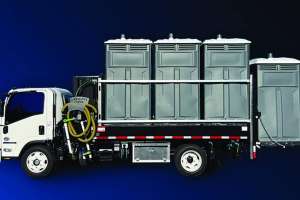
Take advantage of the truck’s spray hose - Make employees aware that the truck’s spray hose is a good way to mist themselves if they begin to feel overheated or if they just want to be refreshed.
Short breaks in the shade - If there is a unit that is in a shaded environment, take an extra minute to drink some water before heading on. If the truck is also parked in the shade near the unit, take a few minutes to inspect the truck or organize supplies while taking advantage of cooler temperatures.
Using the buddy system - In normal communications from the office to the route driver, have the administrative personnel conclude the conversation with, “How are you doing on drinking your water today?” This is a good reminder, and it also shows that everyone is concerned about safety in the summer.
Establish company policy
With training in the office and posting of the symptoms of heat exhaustion in the vehicle, make the driver comfortable with reporting when they are feeling any of the symptoms of heat exhaustion. They also need to feel comfortable taking the necessary steps in the field to rest and to seek shade or an air-conditioned area until they feel better.
Employees need to be educated and aware of the potential hazards of heat exhaustion, which untreated, can lead to heat stroke. These ideas — and others — can go a long way in preventing these situations. Start thinking now about the other extreme weather conditions and begin that training when appropriate!
Continue reading for free