
For many companies in the portable sanitation industry, the winter months are about downtime, equipment overhauling and planning. But what about when your business model or climate means there is no slow season?
1. Schedule maintenance with the flow
Because the pace never eases, embed maintenance and operations review as continuous processes rather than a yearly ritual. Create a rolling maintenance calendar and focus on preventive services.
Don’t wait for breakdowns, and don’t forget to document everything while you’re at it. Keep logs of servicing, unit repairs, parts replaced, oil change frequency, among other key details. Over time, you’ll be able to build a data-driven maintenance profile.
Use windows of downtime opportunistically. There are always quieter hours of the day, or even days of the month. Schedule inspections, cleaning and repairs in those windows.
Schedule fleet refresh days quarterly. Take a portion of your units or vehicles offline for full servicing. Create incentives for clients to accept unit swaps or make-ready days. This helps you get ahead on maintenance without impacting service. Proactively communicate with your customers, too. For example, “We’ll be rotating units and performing enhancements next week; you’ll experience the same service but with even better equipment.”
Because you’re always running, don’t forget to allocate time and budget for deeper refurbishment — not just standard service:
- Exterior cleaning, repainting, signage replacement, hinge/door repair, flooring replacement, tank inspection — even if the unit is still functional, cosmetic and structural updates extend life and preserve brand image.
- Service trucks and trailers: wrap up, undercarriage inspections, hydraulic systems tuneup, tires and brake checks.
- Deep chemical hygiene review: ensure tanks and units are treated with fresh chemicals, seals and vents are intact, smell control is optimal.
- Inventory “retirement” program: track age, cost of repair versus replacement, and retire units when maintenance cost exceeds ROI.
2. Optimize equipment deployment
Without a seasonal lull, your equipment is heavily used year-round, accumulating wear and tear faster; how you deploy your equipment matters more than most.
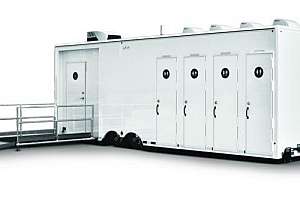
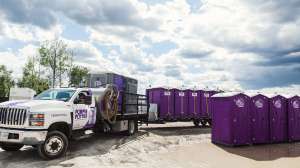
That means unit rotation matters more: Don’t run the same set of portable toilets or trailers without pause. Alternating units gives some downtime for deep cleaning, inspection and minor repairs.
Use these rotations for those deep servicings. Designate short timeframes when units return to the yard for full inspection and cleaning. This can be especially critical for PROs in humid climates. With that, remember to consider environmental extremes as constant conditions: heat, humidity, dust and sun exposure — all accelerate component aging. Design your maintenance schedule according to your environment.
3. Diversify roll-off and service offerings
In any market, staying competitive means looking for adjacent services and using that capacity, rather than sitting idle. Opportunities to look for include:
- Offer longer-term or nontraditional rentals for agricultural, industrial sites, remote camps or disaster response clients, many of which operate year-round.
- Promote preventive maintenance contracts for your units by offering clients a “guaranteed service window” year-round so when usage is lower, you’re still servicing, inspecting and maintaining.
- Market your always-ready status: If competitors slow down in certain months, you can make your availability a selling point.
Embedded maintenance, optimized deployment and expanded roll-off services make up only the first part of the plan for creating a resilient portable restroom operation that runs nonstop, year-round. Keeping operations tight provides the bedrock for building, but you need people and funds to build. Stay tuned for Part II about setting yourself up for success by keeping your employees, finances and customers in check.
Continue reading for free